
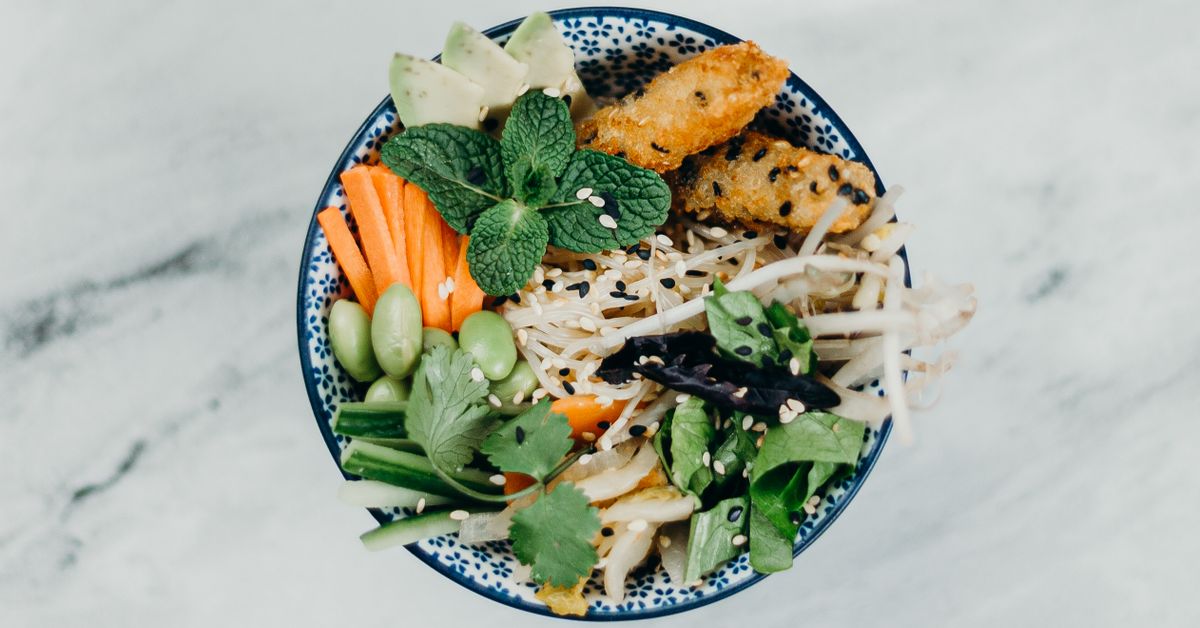
Table of Contents
If your social feed has suddenly filled up with people counting grams of fiber the way they used to count grams of protein, you are not imagining it. Fibermaxxing — the practice of deliberately packing fiber into every meal and snack — has become 2026’s biggest nutrition movement. It started on TikTok, but it is now backed by real numbers: EatingWell reports a 9,500% jump in page views on articles mentioning fiber, and the CEOs of both McDonald’s and PepsiCo have publicly called fiber the food trend to watch this year.
Here is everything you need to know about the trend, why doctors actually like this one (unlike most viral diets), and exactly which foods to eat to hit your numbers without wrecking your stomach in the process.
What is fibermaxxing?
Fibermaxxing is exactly what it sounds like: instead of treating fiber as an afterthought, you build every meal around hitting a high fiber target — often 30 to 40+ grams a day. The trend flips last year’s obsession with protein on its head. Registered dietitians point out that most Americans already get enough protein but fall drastically short on fiber, with roughly 95% of adults not meeting the recommended intake.
The official Daily Value for fiber is 28 grams, and most nutrition guidelines put the real target between 25 grams for women and 38 grams for men. The average American eats somewhere between 10 and 16 grams a day — less than half of what their body actually needs.
Why fiber is having a moment
Fiber is not new science, but the interest in it is at an all-time high for a few solid reasons:
- Gut health obsession: Fiber feeds the beneficial bacteria in your gut, which produce short-chain fatty acids that calm inflammation and support digestion.
- GLP-1 connection: With so many people on weight-loss medications or trying to mimic their appetite-suppressing effects naturally, fiber has become popular because it slows digestion and extends feelings of fullness for hours.
- Blood sugar control: Soluble fiber slows how fast sugar hits your bloodstream, which is part of why fiber-forward eating is so often paired with blood sugar and energy-crash content online.
- Long-term health data: Higher fiber intake is consistently linked with lower LDL cholesterol, reduced risk of type 2 diabetes, and a lower risk of colorectal cancer.
Food brands have taken notice fast. PepsiCo launched Smartfood FiberPop and SunChips Fiber earlier this year, and more “fiber-forward” packaging claims are expected on grocery shelves through the rest of 2026.
The best high-fiber foods to build your day around
You do not need fiber supplements or fortified snack bars to hit your numbers. Whole foods do the job better because they bring along protein, vitamins, and minerals that isolated fiber powders cannot replicate.
Legumes (the fiber champions)
- Split peas — 16 grams per cooked cup
- Lentils — 15.6 grams per cooked cup
- Black beans — 15 grams per cooked cup
- Chickpeas — 12.5 grams per cooked cup
- Navy beans — about 9.6 grams per half cup
Seeds
- Chia seeds — about 10 grams per ounce (roughly 2 tablespoons)
- Ground flaxseed — about 8 grams per 2 tablespoons
Fruits and vegetables
- Avocado — about 10 grams per whole fruit
- Artichoke — about 10 grams per medium artichoke
- Raspberries and blackberries — about 8 grams per cup
- Pears and apples (with the skin) — 4 to 5 grams each
- Broccoli and Brussels sprouts — 4 to 6 grams per serving
Whole grains
- Oats — about 8 grams per cup, dry
- Bulgur — about 8 grams per cooked cup
- Barley — about 6 grams per cooked cup
A sample fibermaxxing day (about 45+ grams)
- Breakfast: Oatmeal topped with chia seeds and raspberries — around 16 grams
- Lunch: Black bean salad with corn, avocado, and greens — around 14 grams
- Dinner: Lentil soup with a side of roasted broccoli — around 12 grams
- Snack: An apple with the skin, or a handful of almonds — around 4 grams
Spreading fiber across four meals like this, rather than trying to cram it all into one giant salad, is what actually makes the trend sustainable.
The one mistake almost everyone makes with fibermaxxing
Doubling your fiber intake overnight is the single biggest reason people quit this trend after three days. Jumping from 15 grams to 40 grams in a day is a fast track to bloating, gas, and stomach cramps.
Nutrition experts recommend a slower approach:
- Increase gradually — add 5 grams every few days instead of jumping straight to 40.
- Drink more water — fiber needs fluid to move through your system comfortably.
- Cook dried beans properly — soak them overnight and discard the soaking water, or use canned beans, which tend to cause less gas.
- Favor whole foods over fiber supplements — a fiber powder gives you isolated fiber; a cup of black beans gives you fiber plus folate, magnesium, iron, and plant protein working together.
Is fibermaxxing actually worth trying?
Unlike most viral diet trends, this one has genuine science behind it. Nutrition experts widely agree that most people would benefit from eating more fiber-rich whole foods — beans, whole grains, fruits, and vegetables — regardless of whether “fibermaxxing” ever trended online. The trend’s real value is that it gives people a simple, motivating goal that nudges them toward a genuinely healthier way of eating.
The bottom line: you do not need a fiber supplement or a fortified snack bar to jump on this trend. Beans, lentils, oats, berries, and vegetables will get you there — and they will keep you fuller, support your gut, and help steady your blood sugar along the way.
