
Table of Contents
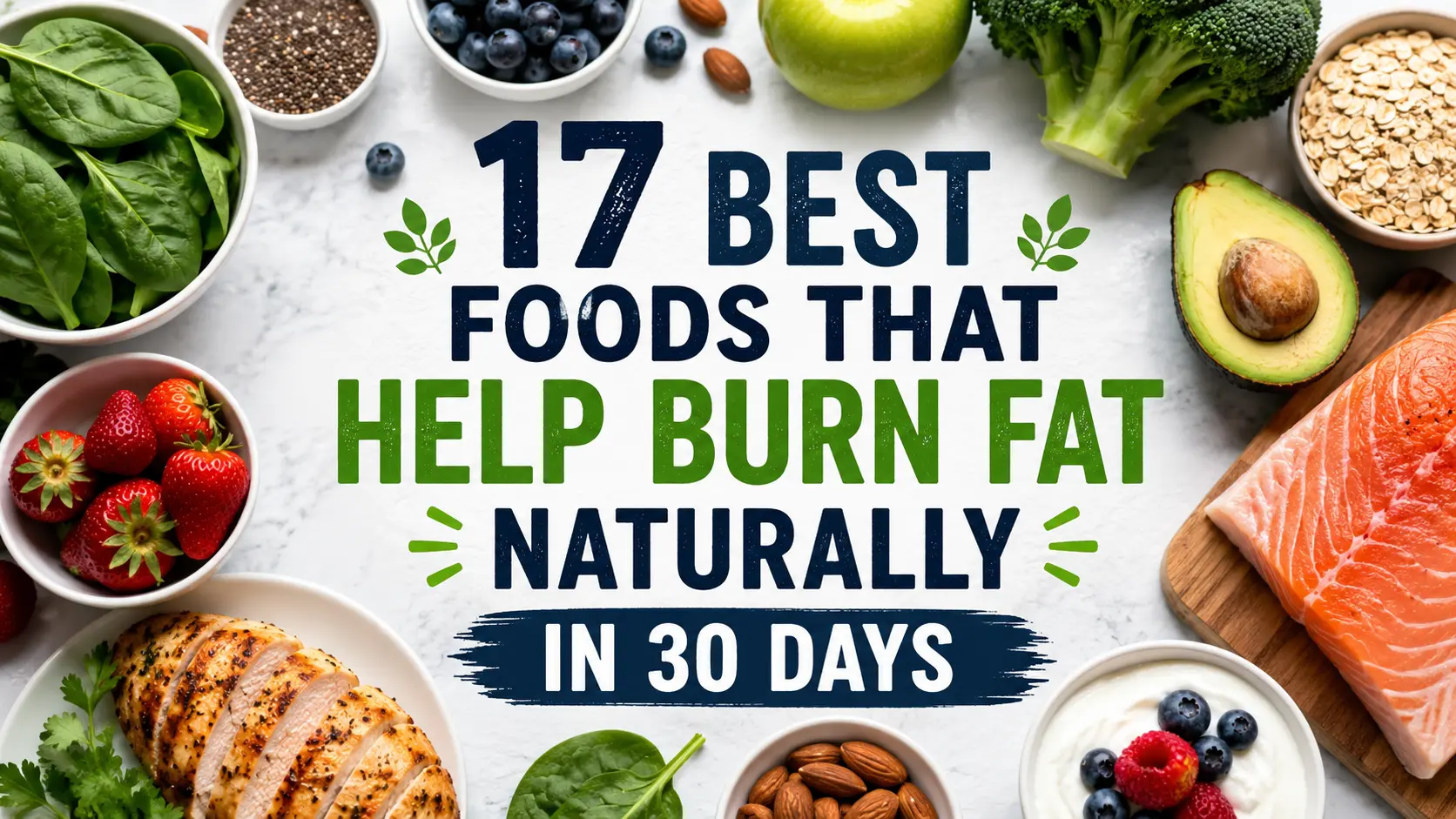
If you are trying to lose body fat, the truth is simple: no single food melts fat on its own. Still, the right foods that help burn fat naturally can make the journey easier by keeping you fuller for longer, helping you eat fewer calories, protecting muscle, and giving your metabolism a small but useful lift. That is what matters over 30 days: not gimmicks, but daily food choices you can actually sustain.
This guide goes beyond the usual list post. Instead of throwing random “fat-burning” foods at you, it explains why each one helps, how to eat it, and what to expect in the real world. For most people in the United States, the best results come when these foods replace ultra-processed, high-calorie choices rather than sit on top of them. That is the difference between wishful eating and smart fat loss.
How foods that help burn fat naturally really work
The foods on this list support fat loss in four practical ways: they are often higher in protein, richer in fiber, lower in energy density, or linked to a small increase in calorie burn through digestion or thermogenesis. Protein takes more energy to digest than fat or refined carbs, while fiber-rich foods help you feel satisfied without loading your plate with too many calories. Fruits and vegetables also add volume because of their water and fiber content, which helps you eat well without overeating.
If you want foods that help burn fat naturally to work in your favour, use them as swaps, not extras. In plain language, choose oats instead of sugary cereal, berries instead of pastries, beans instead of part of the meat in a heavy meal, and green tea instead of a sugar-loaded drink. If you want more supportive meal ideas, see foods that boost metabolism. That small shift in thinking can change a lot over 30 days.
Powerful protein foods that quiet hunger
Eggs
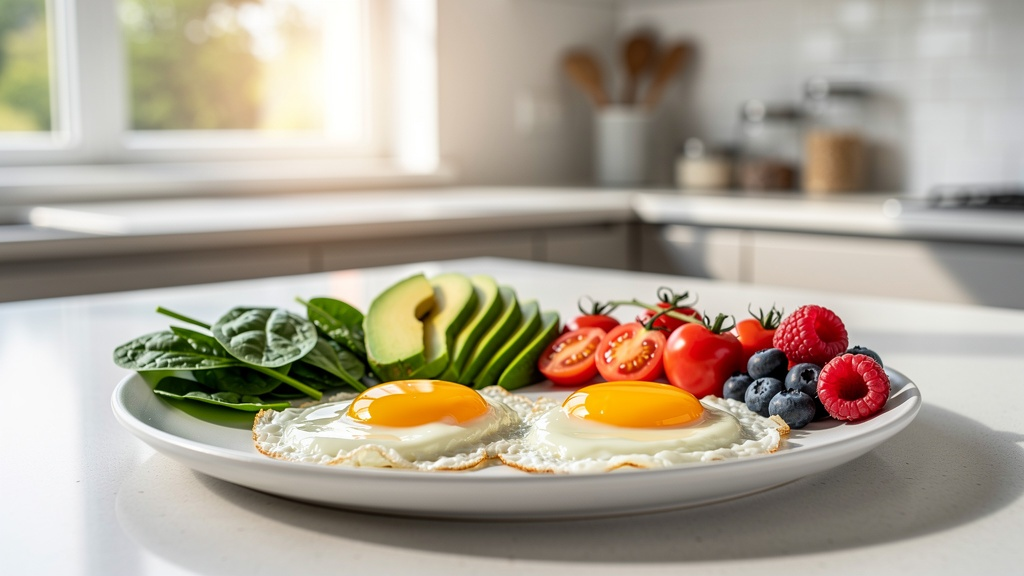
Eggs are one of the easiest fat-loss foods to use well. They are rich in protein, easy to portion, and satisfying at breakfast, which can help reduce mindless snacking later in the day. Pair eggs with vegetables or fruit instead of refined toast and you have a breakfast that works much harder for your goals.
Greek yogurt
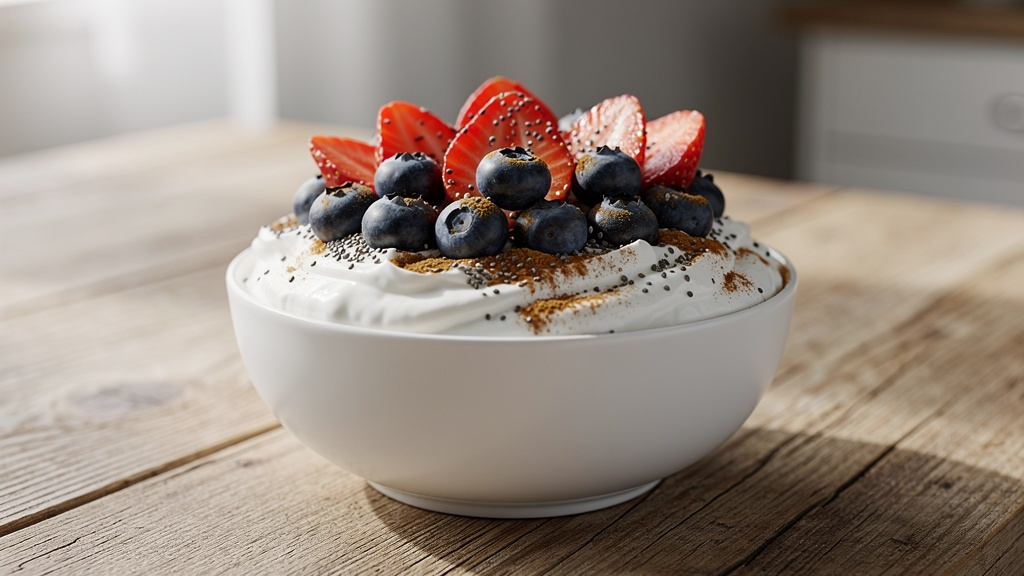
Plain Greek yogurt is a proper winner because it is high in protein and easy to build into breakfast or snacks. Choose an unsweetened version, then add berries, chia seeds, or cinnamon. It supports fullness far better than many sweetened yogurts that are dressed up as “healthy” but come with plenty of added sugar.
Salmon
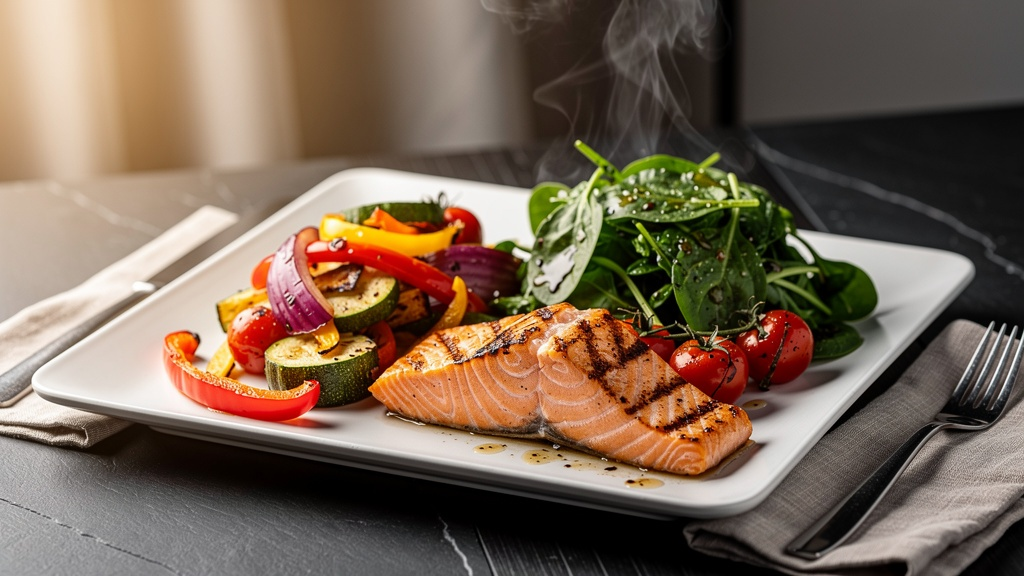
Salmon gives you high-quality protein plus healthy fats that make meals more satisfying. It is not about “burning” fat in a magical way; it is about helping you stay full and making it easier to stick to a calorie-conscious eating pattern. A simple salmon fillet with greens and roasted vegetables is a far smarter dinner than takeout that leaves you hungry again two hours later.
Beans and lentils
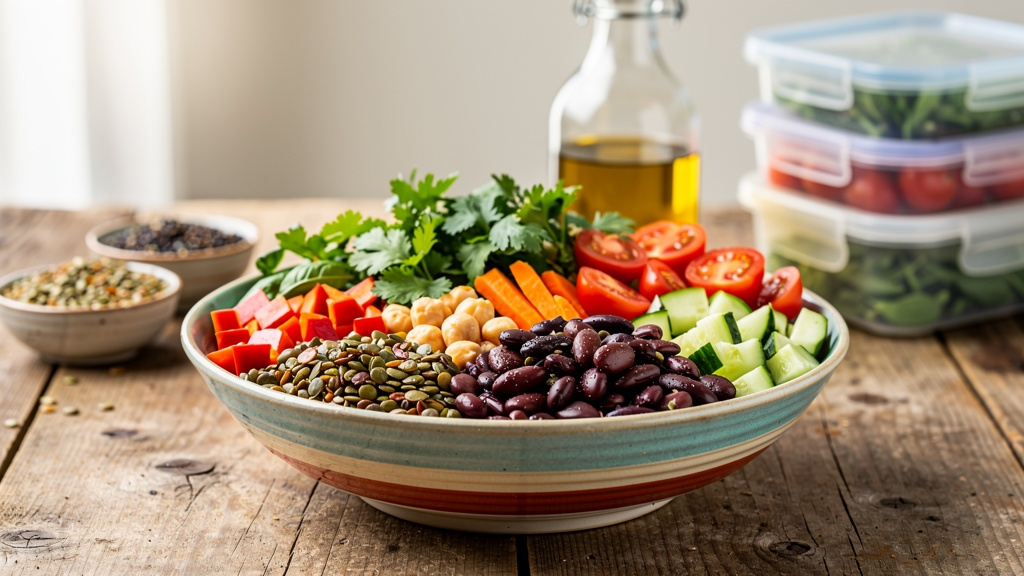
Beans and lentils do double duty because they bring both protein and fiber. That combination is gold for fat loss. They digest slowly, help steady appetite, and can replace part of the meat or refined starch in a meal. Add them to soups, salads, burrito bowls, or stews if you want affordable foods that truly pull their weight.
Tofu and edamame
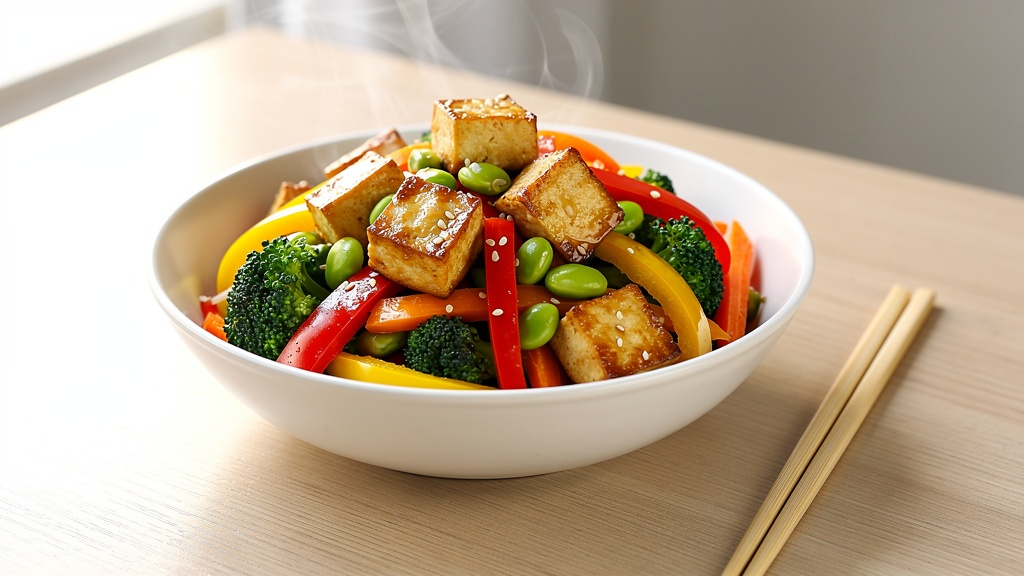
Soy foods like tofu and edamame are useful if you want lean plant protein without much fuss. They are filling, versatile, and easy to season well. For a 30-day fat-loss plan, tofu stir-fries with lots of vegetables or edamame added to lunch bowls are smart, repeatable options.
Smart fiber-rich carbs that make fat loss easier
Oats
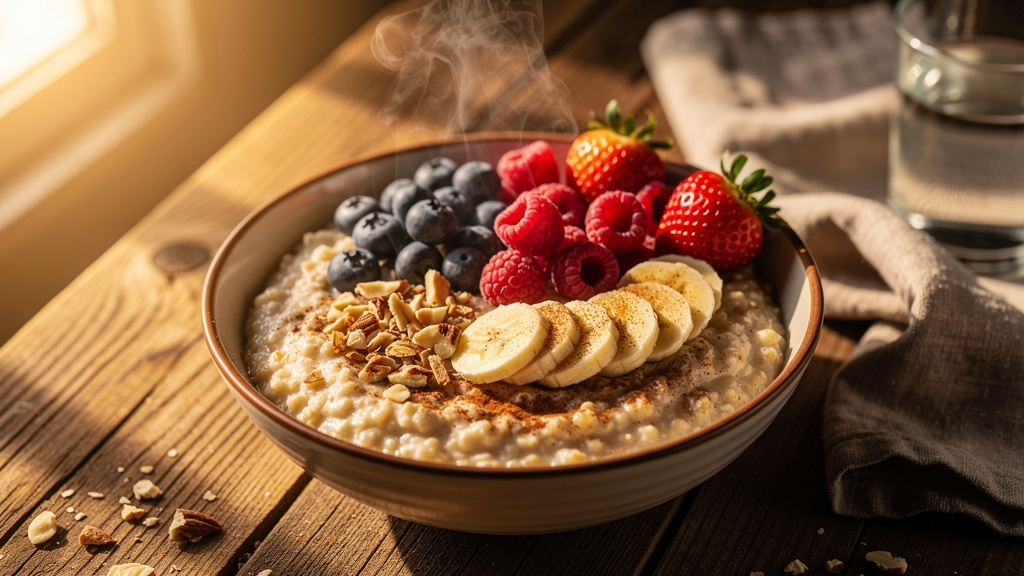
Oats are one of the best breakfast foods for steady energy and fullness. They contain soluble fiber, especially beta-glucan, which can help control appetite. Cooked oats also have volume, so they fill the bowl and the belly without becoming a calorie bomb. Keep the sugar low and build flavour with berries, cinnamon, or nuts.
Apples and pears
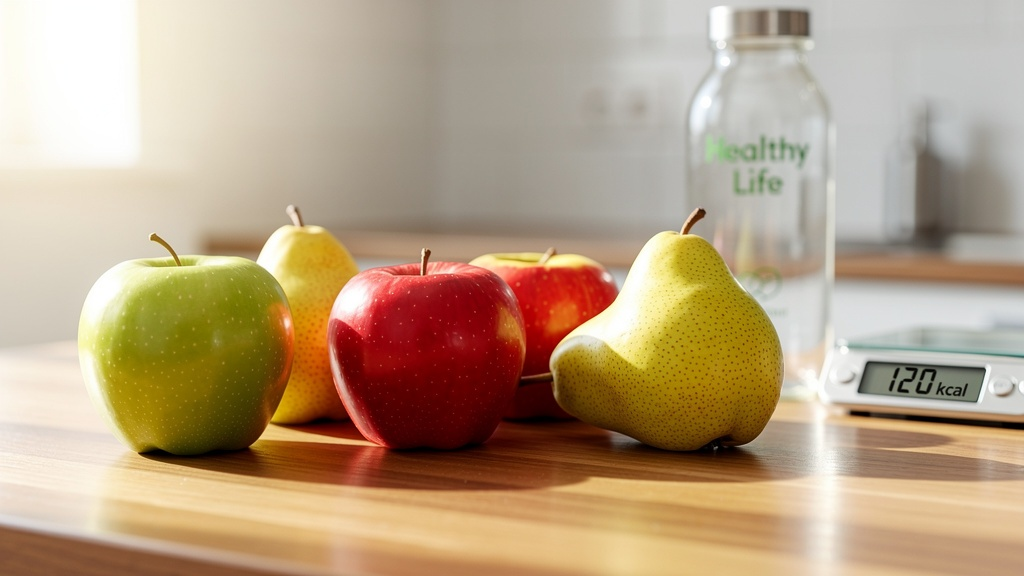
Whole fruit beats juice every time for fat loss, and apples and pears are especially handy because of their fiber and water content. Eat them with the skin where possible. They are portable, inexpensive, and far more filling than many packaged “100-calorie” snacks that disappear in three bites.
Berries
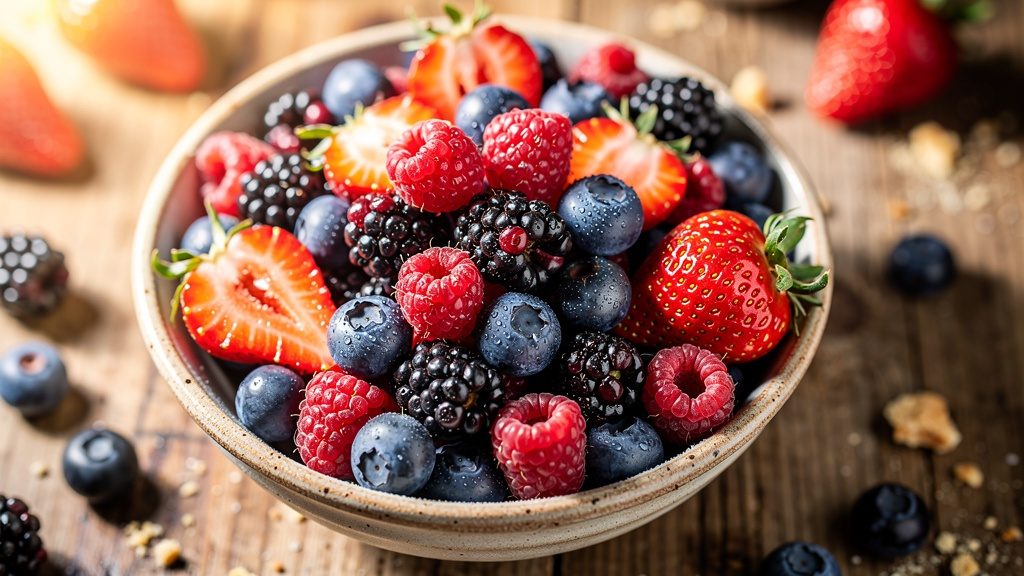
Berries are sweet, but they are also lower in calories than most desserts and rich in fiber. They work well when you want something pleasant after a meal without blowing your calorie target. Add them to Greek yogurt, oats, or smoothies, or eat them on their own when the sweet tooth starts talking too loudly.
Sweet potatoes
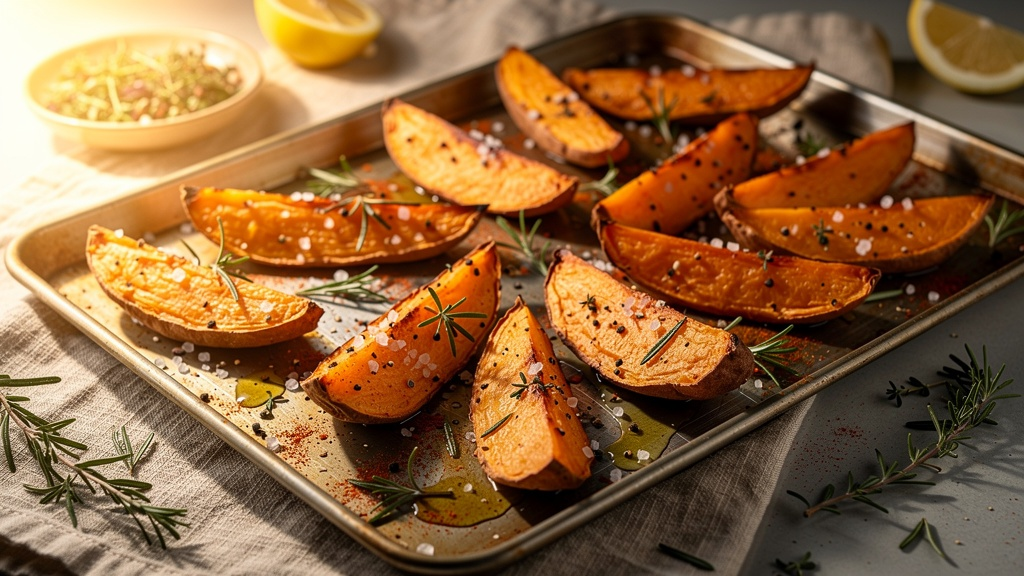
Sweet potatoes are satisfying, naturally sweet, and easier to enjoy without loads of butter or sugary toppings. They can help you replace highly processed sides like fries or refined white breads with something more filling and nutritious. Roast them, bake them, or cube them into sheet-pan meals.
Leafy greens
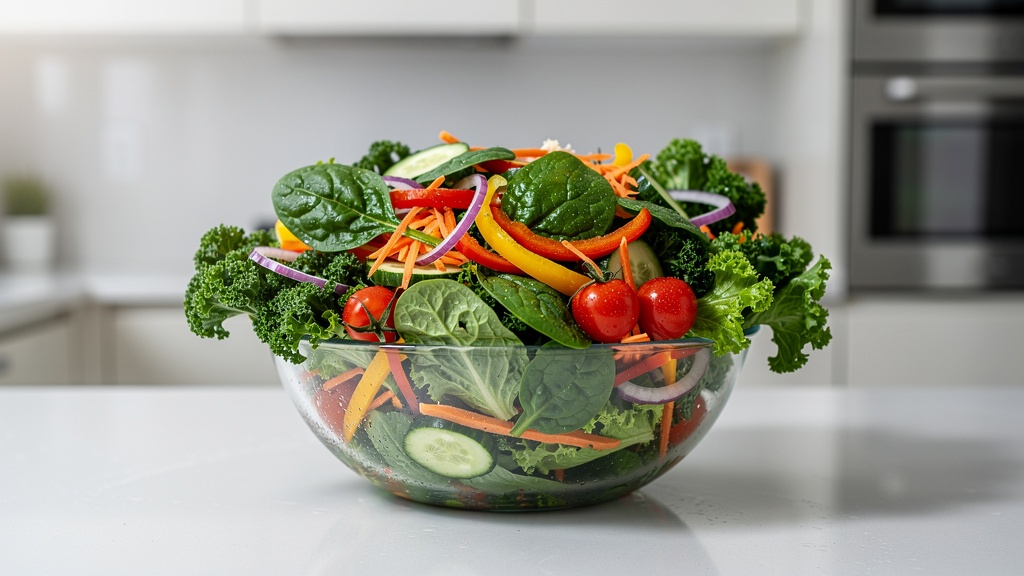
Spinach, kale, romaine, spring mix, and similar greens are brilliant for fat loss because they add bulk to a meal with very few calories. A plate that looks generous often feels more satisfying, and greens help create that effect. Use them in salads, omelets, wraps, soups, or grain bowls.
Cruciferous vegetables
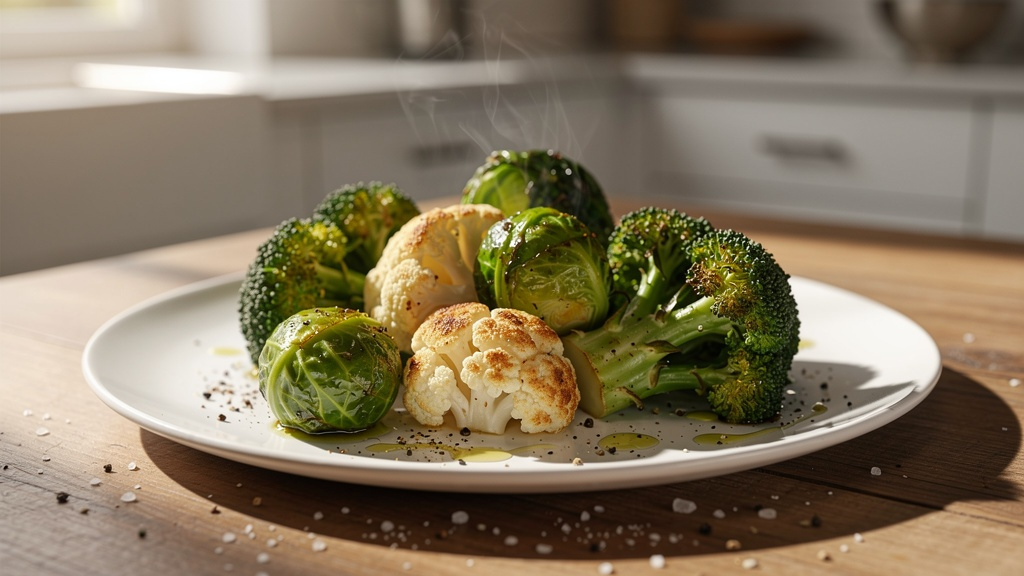
Broccoli, Brussels sprouts, cauliflower, and cabbage deserve special attention. They are fiber-rich, filling, and easy to use as substitutes for higher-calorie starches. Roasted broccoli or cauliflower can turn an ordinary dinner into something far more satisfying without adding many calories.
Healthy fats that help you stay satisfied
Nuts
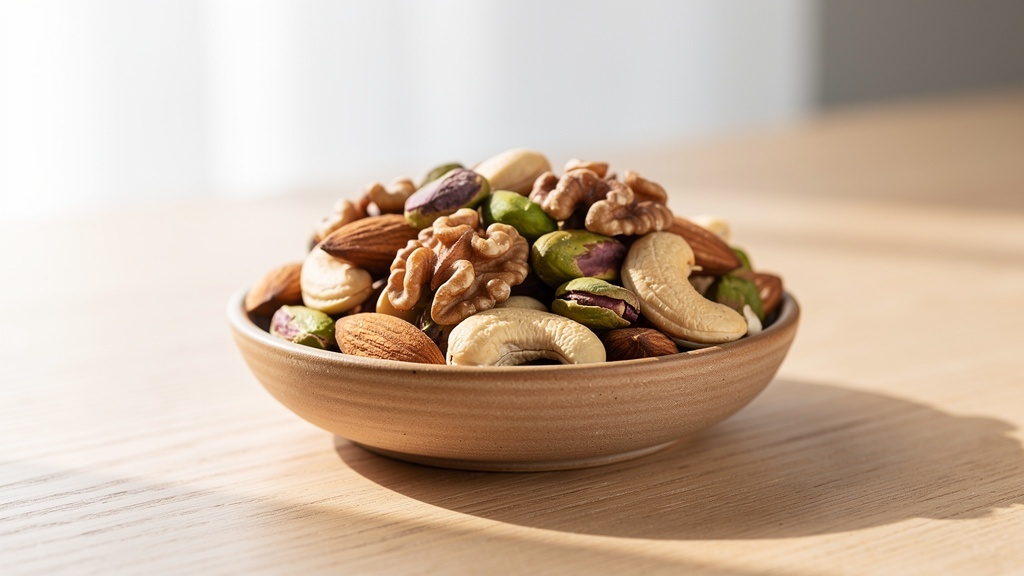
Nuts are calorie-dense, yes, but they are also rich in healthy fats, some protein, and a bit of fiber. In sensible portions, they can help with satiety and make snacks more controlled. The trick is simple: portion them before you start eating. A small handful is support; a family-size bag while watching television is sabotage.
Chia and flaxseeds
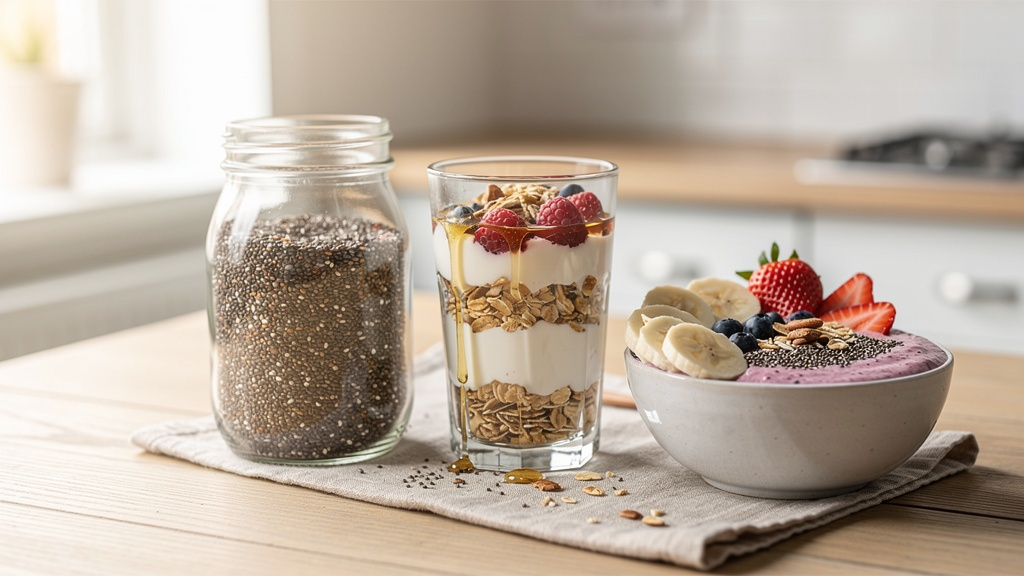
These seeds are small but useful. They add fiber, healthy fats, and texture to yogurt, oatmeal, or smoothies. They do not perform miracles, but they can make low-calorie meals more satisfying, which is often what helps you stay consistent for the full month.
Avocados
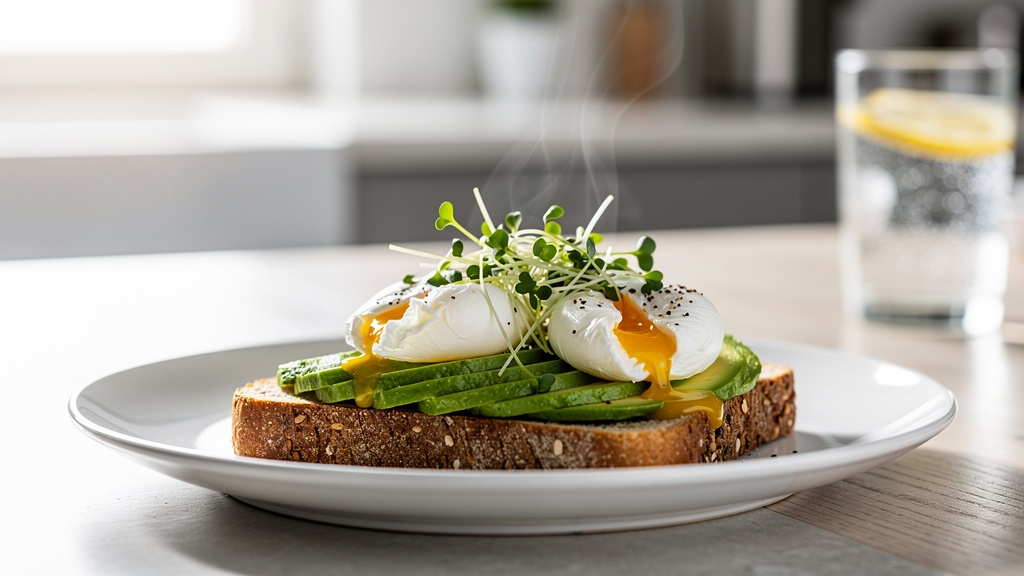
Avocados work best when used thoughtfully. They are rich and satisfying, and that richness can help curb the urge to snack later. Slice some into salads, egg bowls, or whole-grain toast, but keep portions moderate because calories still count. This is one of those foods where quality matters, but quantity still matters too.
Drinks and spices with a modest fat-burning edge
Chili peppers
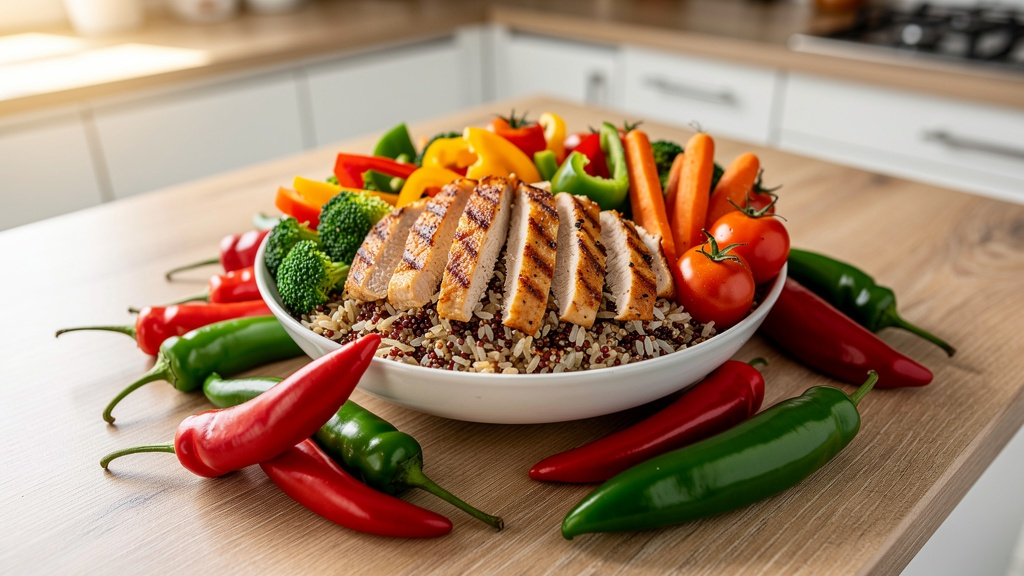
Chili peppers contain capsaicin, a compound linked to a small increase in energy expenditure and fat oxidation. Let us keep it honest: the effect is modest, not dramatic. But in a well-built eating plan, small edges can help. Add fresh chili, chili flakes, or hot sauce to eggs, beans, roasted vegetables, or grilled protein if you enjoy spicy food.
Green tea
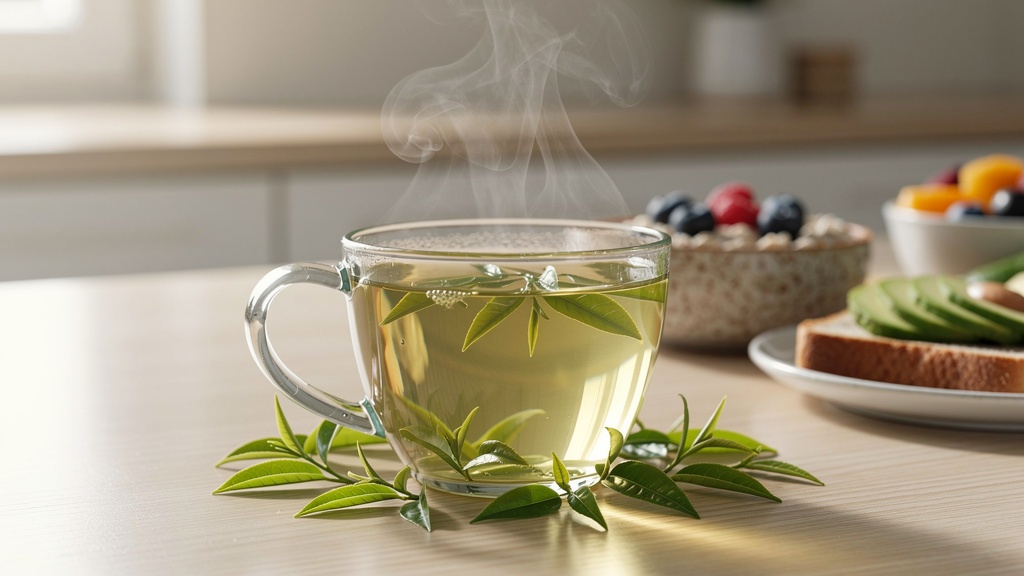
Green tea is often mentioned in fat-loss discussions for good reason. Research suggests its catechins, along with caffeine, may slightly support fat oxidation and body-fat reduction. Again, this is not a magic wand, but it can be a useful low-calorie drink if it replaces sweet beverages. Keep it plain or lightly flavoured rather than turning it into a sugar-heavy café drink.
Coffee
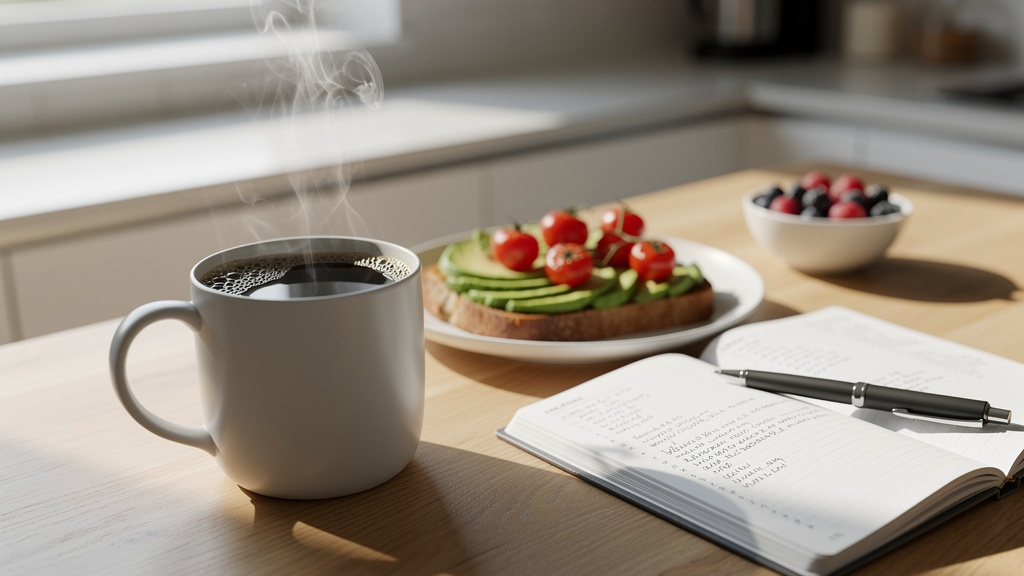
Coffee may give metabolism a slight nudge, mostly because of caffeine. The benefit disappears quickly if the cup is loaded with syrups, whipped toppings, and sugar. Black coffee or lightly milked coffee is the smarter play. If it helps you train better or skip an unnecessary snack, even better.
What to do with these foods over the next 30 days
A smart 30-day plan does not require perfection. It requires repetition. Try this practical rhythm:
- Start breakfast with protein such as eggs, Greek yogurt, or oats with seeds.
- Make half your plate vegetables at lunch and dinner.
- Use beans or lentils several times a week to raise protein and fiber.
- Choose whole fruit instead of juice, pastries, or candy.
- Swap sugary drinks for water, green tea, or plain coffee.
- Use nuts, avocado, and seeds carefully for satisfaction, not as unlimited “health foods.”
- Stay active so your eating plan and movement work together.
In 30 days, many people notice better appetite control, fewer cravings, steadier energy, and a more manageable calorie intake. Visible fat loss varies from person to person, but these foods make the process more realistic because they help build a routine you can keep. That is the bit many competitor articles miss: sustainability is not boring; it is what gets results.
Common mistakes that quietly slow progress
A few things can cancel out the benefit of even the best foods:
- Adding “healthy” foods on top of an already high-calorie diet
- Drinking fruit juice instead of eating whole fruit
- Choosing flavored yogurt over plain Greek yogurt
- Going heavy on dressings, sauces, and liquid calories
- Assuming a food is healthy, so portion size no longer matters
- Relying on one “superfood” instead of building balanced meals
The most effective fat-loss foods are usually the ones that help you eat less without feeling deprived. That is why protein, fiber, and lower-energy-density foods keep showing up in trustworthy nutrition advice.
A better way to finish your next 30 days
If your goal is to lose fat naturally, think less about miracle foods and more about smart, repeatable meals. Protein helps keep hunger in check. Fiber slows you down in the best way. Fruits and vegetables add volume without too many calories. Tea, coffee, and chili may offer a small boost, but your real power comes from consistent swaps you can live with.
So yes, these 17 foods can help. Not because they are magic, but because they make healthy fat loss feel more doable. And when a plan feels doable, you are much more likely to keep going long enough to see results.
