
Table of Contents
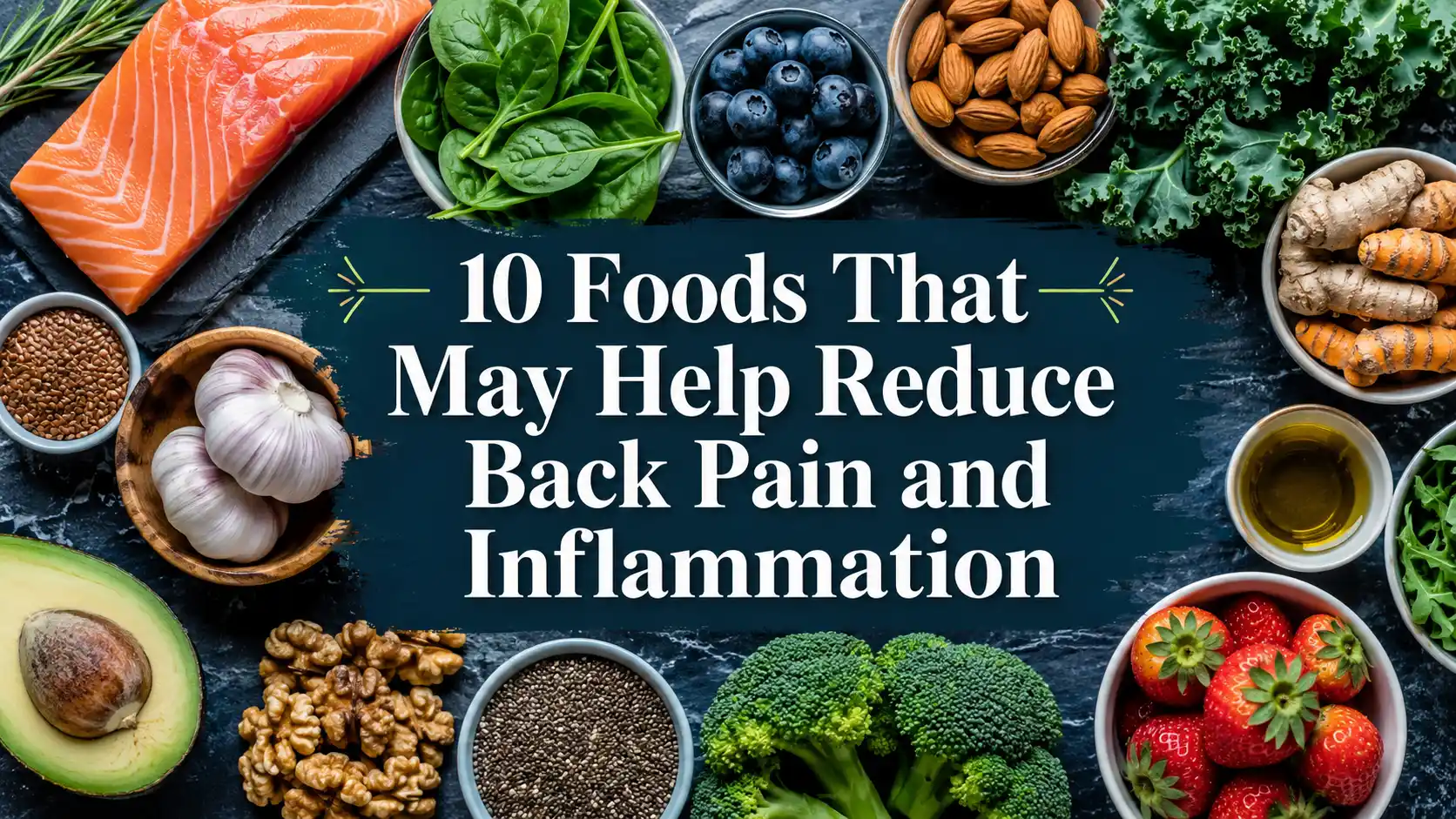
Back pain does not always begin and end in the spine. Sometimes, the problem is made worse by ongoing inflammation, poor diet quality, and the kind of everyday foods that quietly keep your body under stress. The good news is that while food is not a magic cure, the right eating pattern may help calm inflammation and support pain management over time. Research from Harvard Health, Johns Hopkins, the U.S. Department of Veterans Affairs, and peer-reviewed studies suggests that whole, nutrient-dense foods can play a useful supporting role in chronic pain care. Source
If you are looking for foods for back pain and inflammation, think less about one miracle ingredient and more about a steady, anti-inflammatory way of eating. That means more omega-3 fats, fibre, polyphenols, colourful produce, legumes, and healthy oils, and less refined carbs, sugary drinks, and heavily processed foods. One observational study also found that a high-protein dietary pattern was linked with lower odds of chronic low back pain, while an energy-dense diet was linked with higher odds. Source
Powerful foods for back pain and inflammation to add this week
Fatty fish: the omega-3 heavy hitter
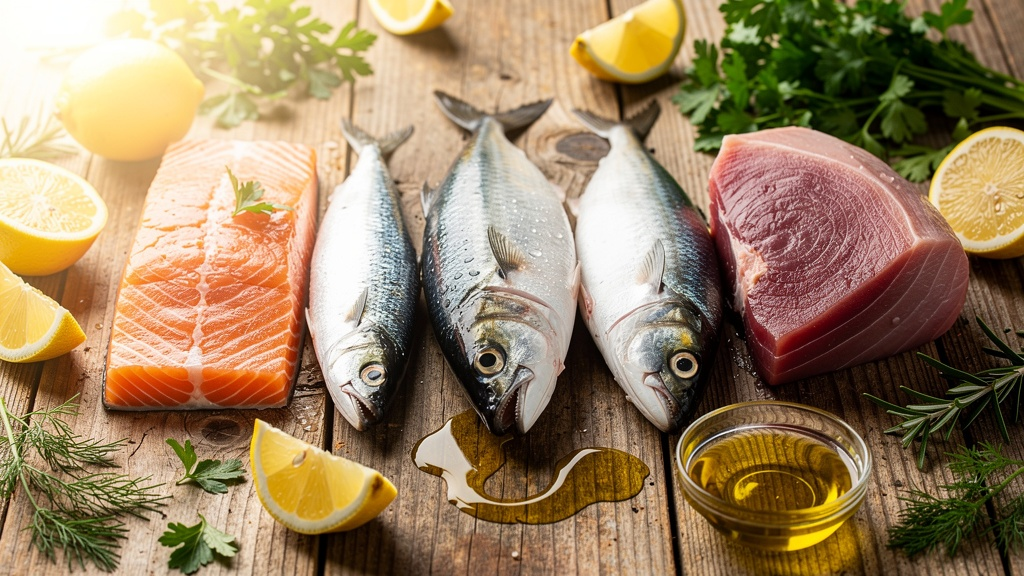
Salmon, sardines, mackerel, herring, and tuna are among the best-known sources of omega-3 fatty acids, which Johns Hopkins and Harvard both highlight for their potential anti-inflammatory benefits. These fats may help support a calmer inflammatory response, which matters when pain keeps flaring up. Source
Easy ways to eat more of it:
- Grill salmon for dinner
- Add sardines to toast or salad
- Use canned salmon for fish cakes or wraps
Berries: small fruit, serious antioxidant power
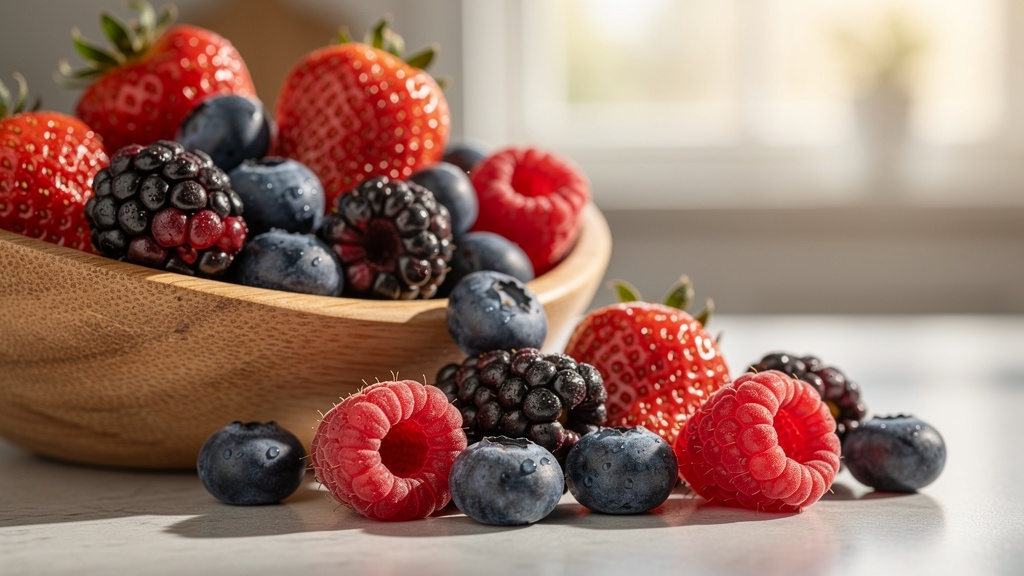
Harvard specifically points to berries as staples of an anti-inflammatory eating pattern because they are rich in polyphenols. The VA Whole Health guidance also recommends berries as part of a higher-fibre, inflammation-aware approach. Source Source
Try them in simple ways:
- Stir into plain yogurt
- Blend into a breakfast smoothie
- Keep frozen berries on hand for convenience
Dark leafy greens: everyday protection for your spine-supporting tissues
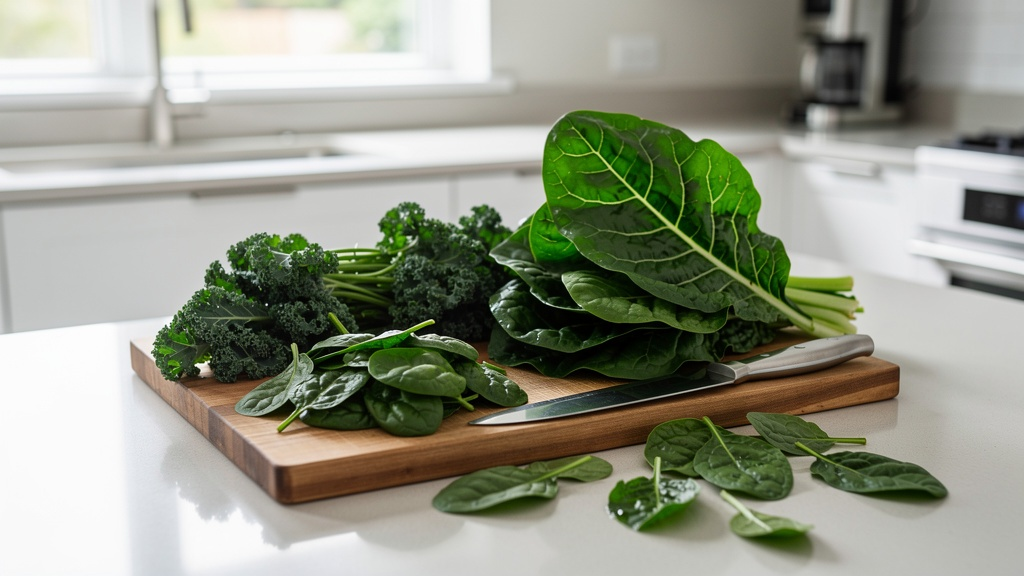
Spinach, kale, collards, and Swiss chard show up again and again in anti-inflammatory guidance because they provide polyphenols, vitamins, minerals, and fibre. Harvard highlights dark green leafy vegetables, while the VA also lists green leafy vegetables among helpful choices for balancing fats and increasing nutrient density. Source Source
Simple ideas:
- Add spinach to eggs
- Toss kale into soups
- Build one big salad into your weeknight routine
Extra virgin olive oil: a smarter fat swap
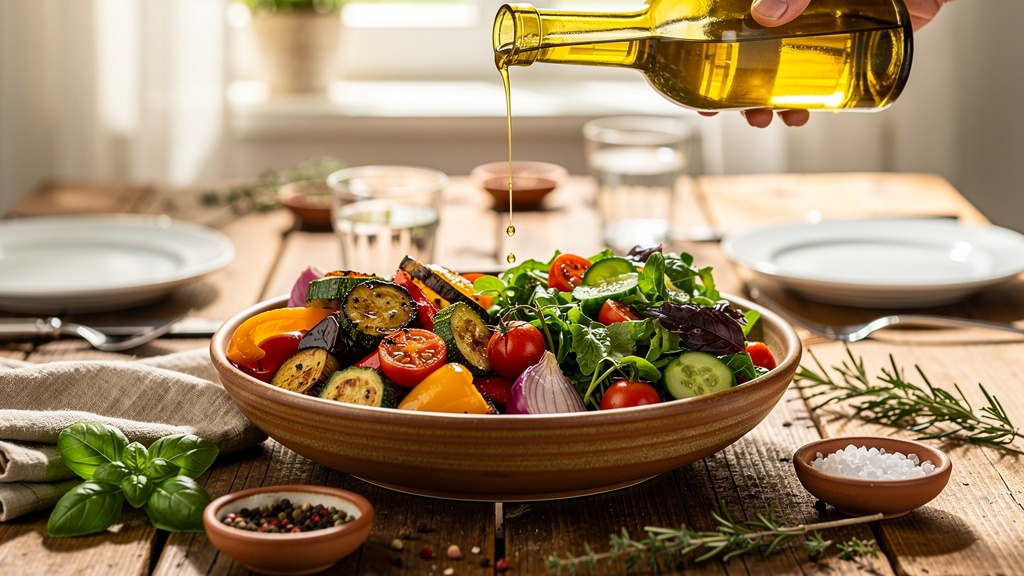
Olive oil is a cornerstone of Mediterranean-style eating and is recommended by Harvard, Johns Hopkins, and the VA as part of an anti-inflammatory pattern. Swapping butter-heavy or highly processed fats for olive oil is one of the easiest upgrades you can make without overthinking your meals. Source Source
Use it well:
- Drizzle over roasted vegetables
- Mix with vinegar and herbs for salad dressing
- Use it for light sautéing instead of heavier fats
Nuts: steady support for inflammation control
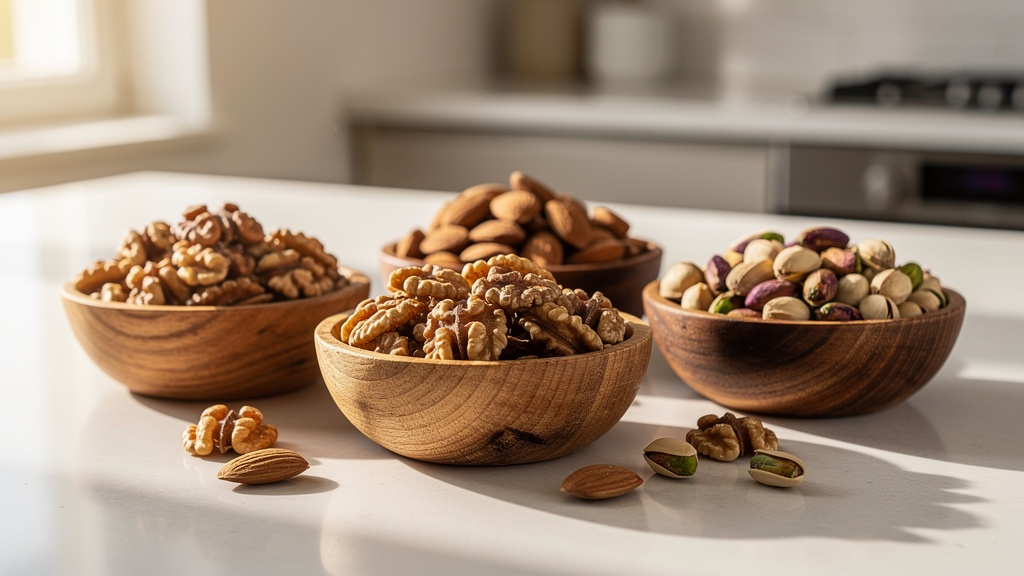
Harvard includes nuts among the main foods associated with anti-inflammatory eating, and the VA also recommends them for fibre, plant protein, and healthy fats. Walnuts are especially useful because the VA lists them among foods that help improve omega-3 balance. Source Source
Best ways to keep them practical:
- Snack on a small handful
- Sprinkle on oats
- Add chopped walnuts or almonds to salads
Beans and lentils: budget-friendly and back-friendly
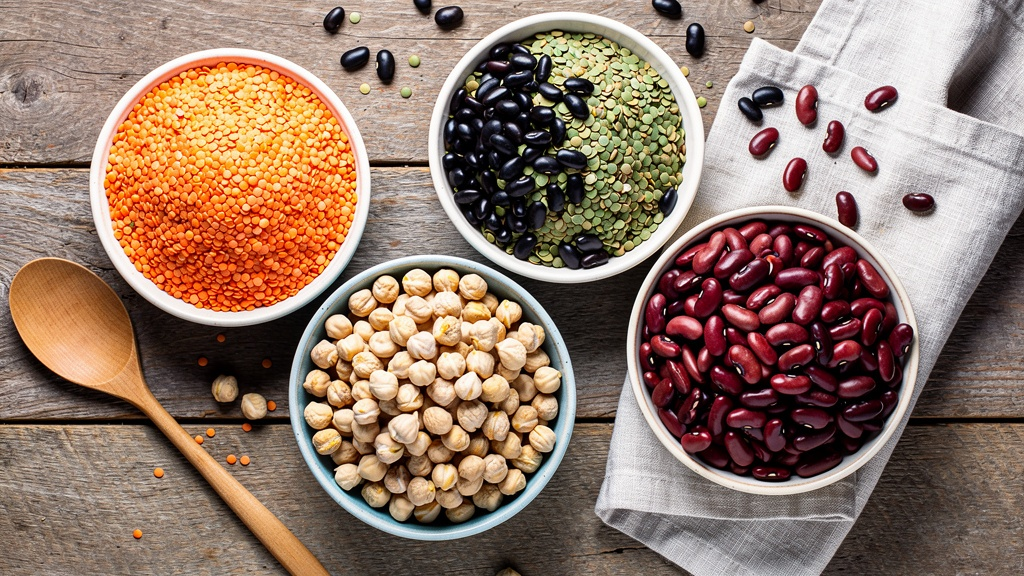
Legumes are one of the most underrated foods on this list. Harvard highlights legumes as anti-inflammatory staples, and a pilot Mediterranean-style anti-inflammatory diet study included legumes several times per week among the recommended foods linked with improved pain and quality-of-life outcomes in chronic pain patients. Source Source
Try them like this:
- Add lentils to soup
- Use black beans in tacos or rice bowls
- Mix chickpeas into salads
Whole grains: better than the refined stuff
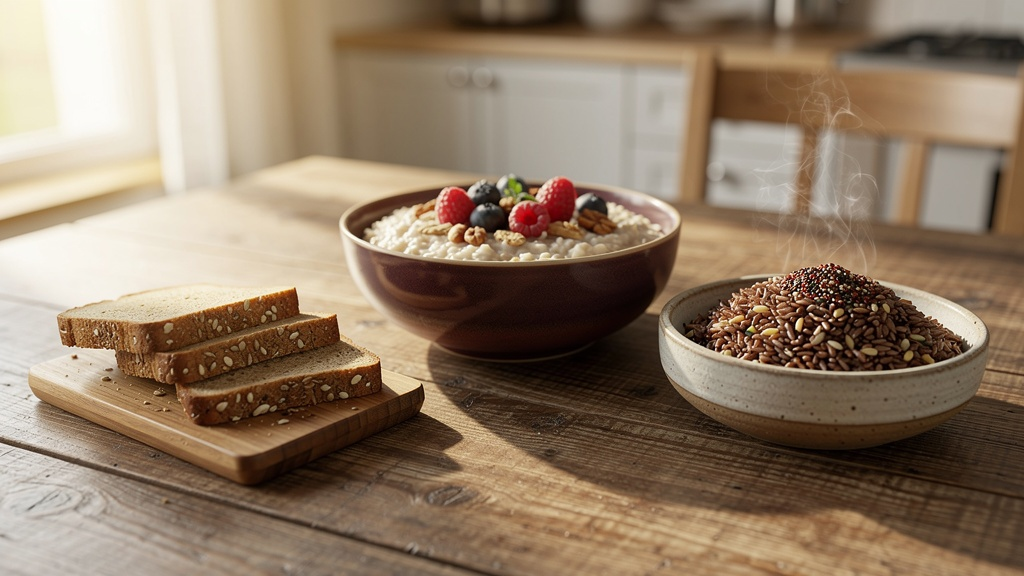
Whole grains matter because they bring fibre, and fibre is repeatedly linked with a healthier anti-inflammatory diet. Harvard includes whole grains among Mediterranean staples, while the VA recommends foods like oatmeal, brown rice, and whole grains to increase fibre intake. Source Source
Good swaps:
- Brown rice instead of white rice
- Oats instead of sugary cereal
- Whole-grain bread instead of white bread
Turmeric: the spice with real research interest
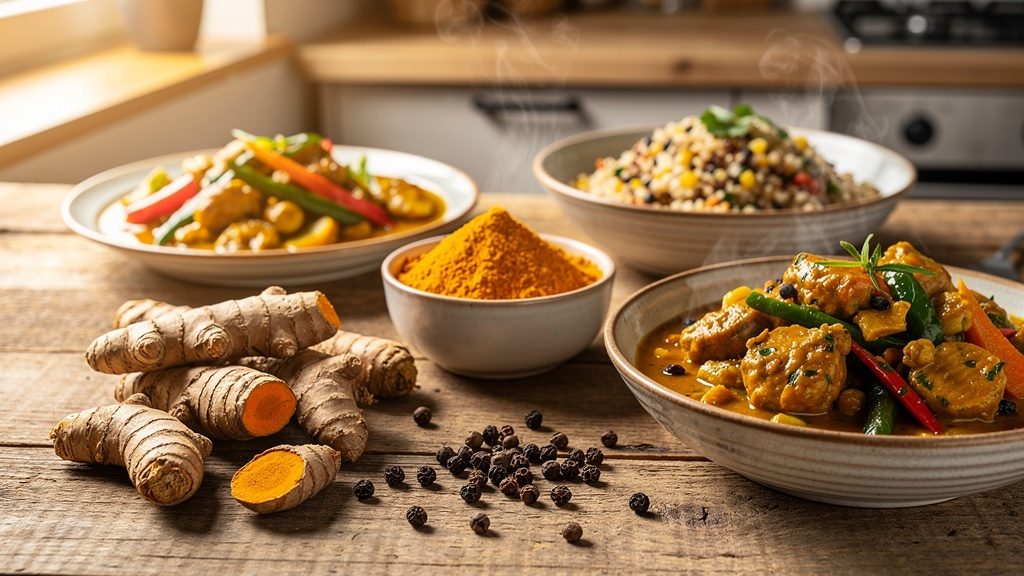
The VA names turmeric among anti-inflammatory herbs and spices worth using more often. In the pilot study on chronic pain, turmeric was also included in the anti-inflammatory diet plan, alongside black pepper to improve curcumin absorption. This does not make turmeric a cure, but it does make it a sensible addition to meals if you enjoy it. Source Source
Easy uses:
- Add to soups and stews
- Stir into rice
- Mix into roasted vegetables
Ginger: a simple flavour boost with anti-inflammatory value
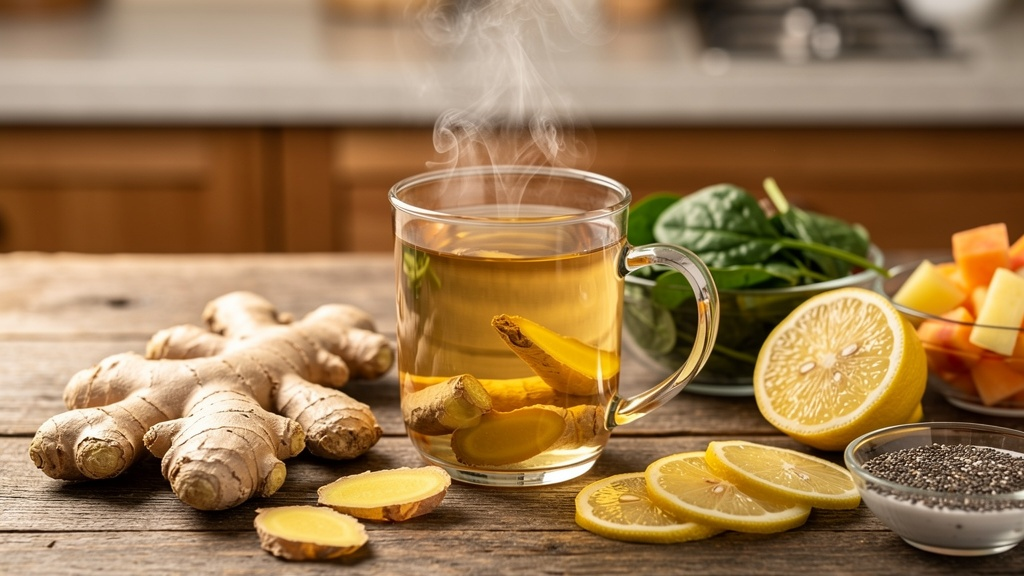
Ginger appears on the VA’s list of anti-inflammatory herbs and spices, and it is an easy ingredient to work into everyday cooking. If your aim is to build a less inflammatory diet without making food boring, ginger is one of those smart, low-effort choices. Source
Simple ways to use it:
- Brew fresh ginger tea
- Add grated ginger to stir-fries
- Blend it into smoothies
Plain yogurt or kefir: gut support may matter too
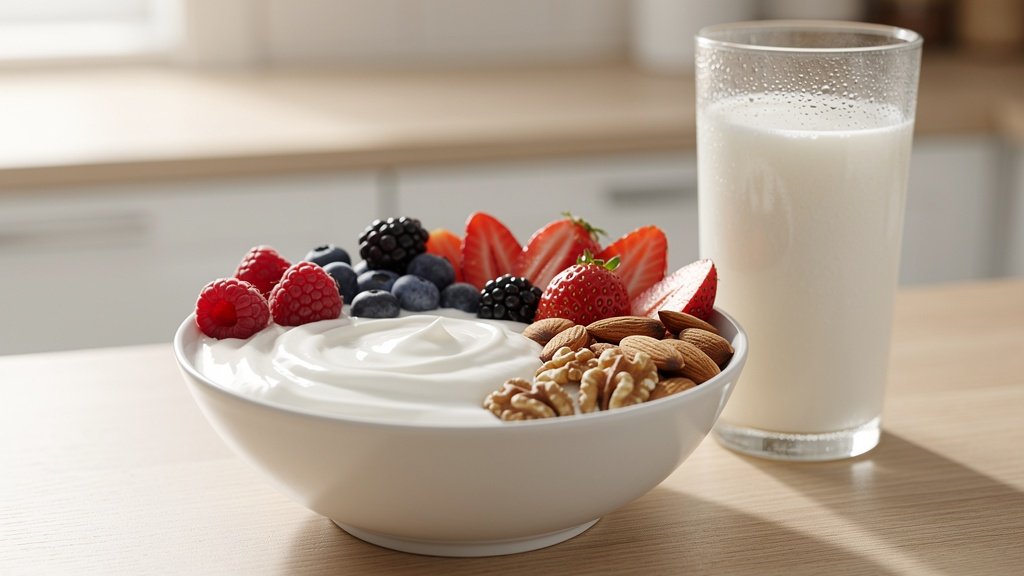
Johns Hopkins notes that gut-healthy foods may help keep inflammation in check, especially when they contain probiotics and pair with a fibre-rich diet. The anti-inflammatory chronic pain pilot study also included plain yogurt or kefir as part of the recommended pattern. That makes fermented dairy a useful option for many people, provided it is low in added sugar. Source Source
Smart options:
- Choose plain yogurt over sweetened versions
- Add berries and nuts
- Use kefir in smoothies
What most people miss about eating for pain relief
The biggest mistake is expecting one food to do all the work. The evidence points to a pattern, not a miracle ingredient. A plate built around variety is likely to help more than loading up on one trendy food for a week and giving up.
A more effective approach looks like this:
- Fill most of your plate with vegetables and some fruit
- Include healthy protein such as fish, beans, lentils, yogurt, or nuts
- Swap refined carbs for whole grains
- Use olive oil more often than heavily processed fats
- Add herbs and spices like turmeric, ginger, rosemary, or cinnamon for extra anti-inflammatory value Source Source
Foods that may quietly worsen back pain
What you remove can matter almost as much as what you add. Johns Hopkins warns that foods such as processed meat, deep-fried items, white flour products, added sugars, sugary drinks, and trans fats can contribute to inflammation. The low back pain study also found that an energy-dense dietary pattern was associated with higher odds of chronic low back pain. Source Source
That means it is wise to cut back on:
- Sugary drinks
- Fried takeaway foods
- Processed meats
- Packaged baked snacks
- Large amounts of refined bread, pasta, and desserts
A few important cautions before you change your diet
This kind of eating plan is generally health-supportive, but it still needs common sense. The VA advises increasing fibre slowly if you do not usually eat much of it, since a sudden jump can cause bowel discomfort. It also recommends speaking with your doctor before using fish oil if you take blood thinners. Source
Also, if your back pain is severe, persistent, radiates down your leg, or comes with weakness, fever, or bowel or bladder changes, food alone is not enough. That is a proper medical review matter.
The bottom line
If you want lasting relief, do not look for a miracle bite. Look for a better pattern. The most effective foods for back pain and inflammation are the ones you can keep eating week after week: fatty fish, berries, leafy greens, olive oil, nuts, beans, whole grains, turmeric, ginger, and plain yogurt or kefir. They will not replace proper treatment when you need it, but they may help your body move in a calmer, less inflamed direction.
