
Table of Contents
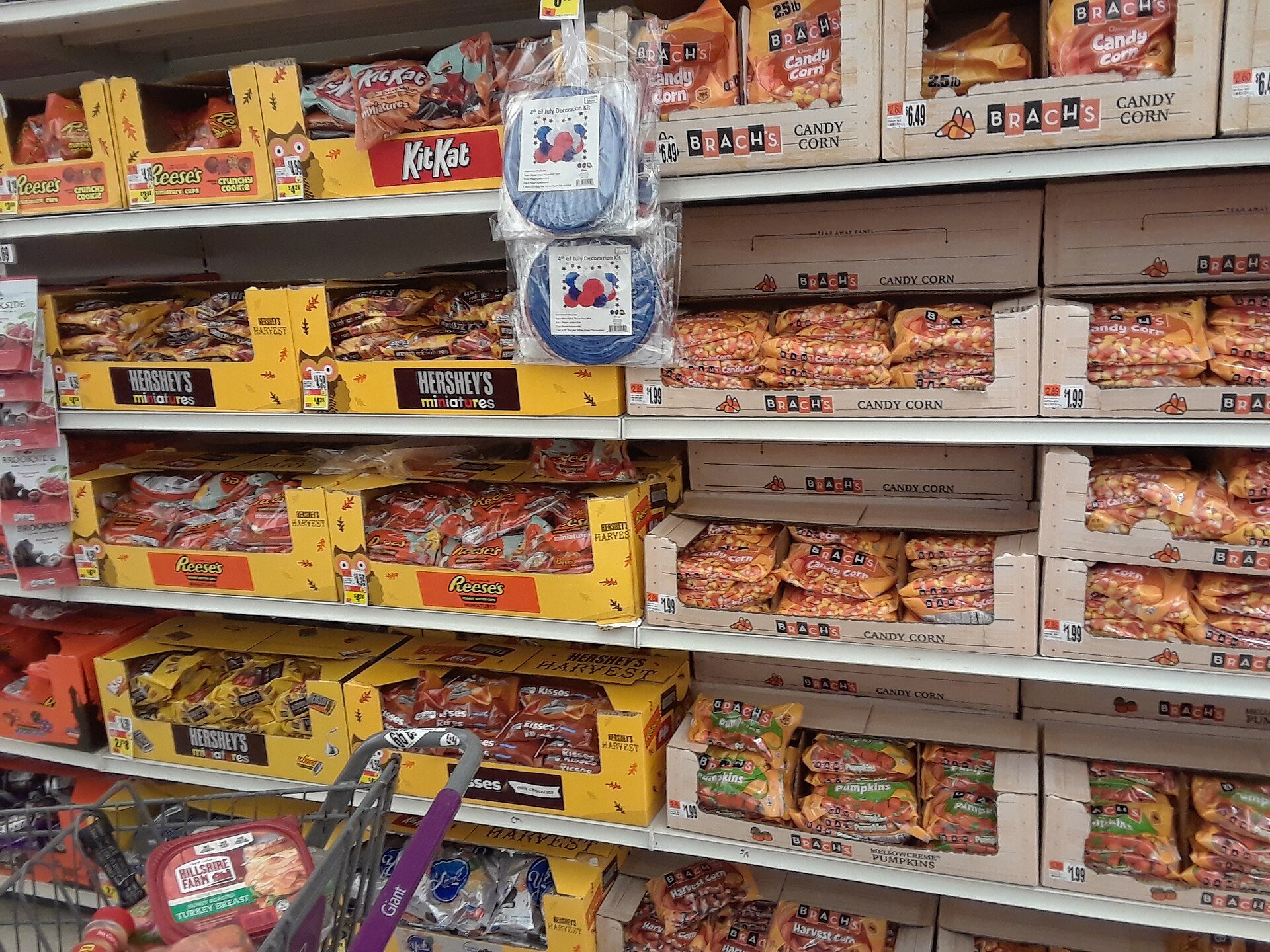
Halloween candy prices are keeping many shoppers out of the candy aisle this year. Sales fell 6.7% in the month ending October 17 compared with last year, according to NielsenIQ data reported by NBC News. Prices for candy and gum are up 44% over five years. Here is why your trick-or-treat bag costs more and how to save before October 31.
Key Takeaways
- Halloween candy sales fell 6.7% in the month ending October 17, NielsenIQ said.
- Candy and gum prices rose 44% over five years through September, compared with 22.5% for all food eaten at home.
- Cocoa prices are the main culprit, and they started climbing again this spring.
- Small bags are the only candy size growing in sales. Large bags are seeing the biggest declines.
- Even so, the National Retail Federation expects record Halloween spending of $13.5 billion this year.
Halloween Candy Prices by the Numbers
The rise in Halloween candy prices has been years in the making. According to NBC News, U.S. candy prices have climbed faster than inflation for several years. As of September, government data showed candy and gum prices up 44% over five years. By comparison, food at home rose 22.5% over the same period.
One example stands out. This week, Aldi advertised a 135-piece variety pack of Mars chocolate bars for $19.87. Five years ago, that price bought about a 250-piece pack, NBC News said.
Chocolate vs. Non-Chocolate
Data from Consumer Edge, covering spending through October 15, shows the split:
- Chocolate candy: dollar sales down 2.3%, volume down 7.1% and average price up 5.2%.
- Non-chocolate candy: dollar sales down 9.2%, volume down 10.6% and average price up 1.6%.
In other words, shoppers are buying fewer pieces of chocolate but paying more for each one.
Interestingly, lower prices have not helped much. Non-chocolate candy such as gummies and lollipops averaged $6.08 a pound in the nine weeks ending October 17. That was about 3% cheaper than last year, NielsenIQ data showed. But sales still did not rise.
Why Halloween Candy Prices Are Rising
Cocoa Prices
Cocoa is the main reason. Global cocoa prices hit a record $10,710 per metric ton in January 2025, NBC News reported, citing the Bureau of Labor Statistics. Poor weather in West Africa and speculative trading drove that spike. West Africa supplies 70% of the world’s chocolate.
Prices then fell steadily to $3,241 per metric ton in March. However, they began rising again in the spring. The Iran war disrupted fertilizer supplies to Africa. In addition, forecasters expect the El Niño weather pattern to hurt production, with hot, dry conditions through February.
Squeezed Budgets
It is not only about candy. Chris Costagli, a vice president at NielsenIQ, told NBC News that high gas prices have worsened affordability worries.
“I think what you’re seeing now is a consumer that’s spending so much additional money on fuel and housing and clothing and food,” Costagli said. He added that many shoppers are thinking, “I can’t afford it this year because I’ve paid so much more for so many other things.”
Gas costs nearly 40% more than a year ago. If you shop with a rewards card, our credit card hacks for cash back can help you earn a little back on candy runs.
Is Halloween Still On?
Yes. Experts say shoppers may simply be buying later. Sally Lyons Wyatt of the market research firm Circana said people now make smaller, more frequent grocery trips. So they may wait until closer to Halloween to buy candy.
“I do believe we will still see softness overall with candy, but I don’t think Halloween is doomed,” she told NBC News.
The National Confectioners Association also remains optimistic. “We are just now entering the peak period for Halloween and consumer enthusiasm remains incredibly strong,” the trade group said.
Record Spending Expected
The National Retail Federation expects total Halloween spending to reach $13.5 billion, topping last year’s record of $13.1 billion. Its survey found:
- Shoppers plan to spend $115.14 each on average.
- Candy spending should reach $4.1 billion.
- 96% of those celebrating plan to buy candy.
How to Save on Halloween Candy
Shoppers are already finding ways to cut costs. According to the NRF survey, 31% plan to comparison shop and 26% plan to use coupons. Discount stores are the top place to shop, chosen by 39%.
Here are some simple ways to keep Halloween candy prices in check:
- Buy small bags. They are the only size growing in sales, so stores may stock and promote them.
- Compare price per piece. Check the unit price on the shelf tag, not just the bag price.
- Mix in non-chocolate candy. It costs less per pound than last year.
- Use store apps and coupons. Many grocery chains offer digital deals.
- Set a budget. Decide how many trick-or-treaters you expect and buy only what you need.
- Wait for November 1. Leftover candy is often marked down after the holiday, though that won’t help this year’s trick-or-treaters.
You can also hand out small toys or stickers alongside candy. And if you plan a night in after trick-or-treating, browse our list of Netflix movies for 2026.
Frequently Asked Questions
Why are Halloween candy prices so high in 2026?
Cocoa prices are the main reason. They hit a record in January 2025, fell, and then rose again this spring.
How much have candy prices gone up?
Candy and gum prices rose 44% over five years through September, according to government data cited by NBC News.
Are Halloween candy sales down this year?
Yes. NielsenIQ said sales fell 6.7% in the month ending October 17 compared with last year.
How much will Americans spend on Halloween?
The NRF expects a record $13.5 billion, including $4.1 billion on candy.
What is the cheapest way to buy Halloween candy?
Compare unit prices, use coupons, shop at discount stores and consider non-chocolate candy.
Sources
- Halloween candy sales are off to a slow start (NBC News / AP)
- Is a Spooky Halloween Coming? (Consumer Edge)
- NRF Halloween survey shows consumer spending expected to reach $13.5 billion (National Retail Federation)