
Table of Contents
Dengue fever in Florida has now topped 400 locally acquired cases this year. The Florida Department of Health has confirmed 425 local cases in 2026, most of them in the Tampa Bay area, according to WTSP. Hillsborough and Pinellas counties have extended their emergency orders to October 29. Here is where cases are, which symptoms to watch for and how to protect your family.
Key Takeaways
- Florida has confirmed 425 locally acquired dengue cases in 2026, as of the state’s October 22 update.
- Hillsborough County has 346 cases, about 80% of the state total. The Tampa Bay area accounts for 95%.
- One person in Hillsborough died from dengue, the state confirmed on September 18.
- Cases now appear in 11 counties, including first cases in Citrus, Manatee and Brevard.
- There is no widely available dengue vaccine, so avoiding mosquito bites is the best protection, the CDC says.
Dengue Fever in Florida: Cases by County
Between October 11 and 17, the state confirmed 57 new cases, WTSP reported. The largest increases were in Pinellas and Hillsborough. Here is the county breakdown from the October 22 update:
- Hillsborough: 346
- Pinellas: 51
- Miami-Dade: 9
- Orange: 8
- Pasco: 4
- Citrus: 2
- Manatee, Polk, Palm Beach, Broward and Brevard: 1 each
The state has also found dengue in 20 mosquito pools across 11 counties.
Is the Outbreak Slowing?
It is too early to say. The state counted 21 cases in July, 160 in August and 226 in September.
So far, October has 18 reported cases. However, case reports can lag behind infections. Meanwhile, the Tampa Bay total rose 14% from the October 15 report, Pinellas County said.
What Counties Are Doing
Hillsborough County
Hillsborough County extended its local emergency to October 29. Crews are increasing air and ground treatments, because surveillance shows dengue virus activity in mosquitoes in many neighborhoods. Mosquito control has cost the county about $6 million this year, WTSP said.
Residents can sign up for alerts about local aerial treatments. For questions, call Hillsborough County Mosquito Management Services at (813) 635-5400.
Pinellas County
Pinellas also extended its emergency to October 29. High winds delayed the first aerial larvae treatments. Officials said treatments would begin “no earlier than the middle of next week, weather permitting.”
Pinellas residents can drop off up to four tires from home for free through Friday, October 30. Old tires hold standing water, which makes them common mosquito breeding spots. More details are at Pinellas.gov/dengue.
Both counties have asked Lee County for help with aerial spraying. In addition, Pinellas reported more West Nile virus activity in its sentinel chickens, which officials called “an early warning for potential human transmission.”
Dengue Symptoms to Watch For
Most people infected with dengue never feel sick. About 1 in 4 do, according to the CDC. Symptoms can be mild or severe and usually last 2 to 7 days.
The most common symptom is fever along with one or more of these:
- Aches and pains in the eyes, muscles, joints or bones
- Nausea or vomiting
- Rash
Warning Signs of Severe Dengue
About 1 in 20 people who get sick develop severe dengue, the CDC says. Symptoms can become severe within a few hours. Warning signs usually start 24 to 48 hours after the fever goes away. They include:
- Belly pain or tenderness
- Vomiting at least three times in 24 hours
- Bleeding from the nose or gums
- Vomiting blood, or blood in the stool
- Feeling very tired, restless or irritable
Severe dengue can cause shock, internal bleeding and death, the CDC says. It is a medical emergency.
If you or a family member has any of these signs, go to a local clinic or emergency room right away, the CDC advises. If you have fever and live in or visited an area with dengue, see a doctor. Only a blood test can confirm dengue.
How to Protect Yourself From Dengue Fever in Florida
The CDC’s prevention guidance focuses on stopping mosquito bites. Here is how to protect yourself from dengue fever in Florida:
- Use insect repellent. The CDC recommends an EPA-registered product.
- Wear loose-fitting, long-sleeved shirts and pants when you can.
- Control mosquitoes at home. Hillsborough County urges residents to look for and get rid of standing water on their property, especially after heavy rain.
- Keep mosquitoes out. The CDC advises travelers to stay in places with air conditioning and window or door screens. The same steps help at home.
The mosquitoes that spread dengue bite during the day as well as at night. So daytime protection matters too.
Is There a Dengue Vaccine?
Not a widely available one. According to the CDC, the maker of Dengvaxia stopped producing it in 2024 due to low global demand. As a result, prevention depends on avoiding bites.
Travelers
If you are visiting Tampa Bay, pack repellent. After you return home, the CDC advises preventing mosquito bites for three weeks. That helps stop dengue from spreading in your own community.
Other Health News
Fall brings other health risks too. Read our guide to flu season 2026 and early flu shots, and our update on U.S. measles cases.
Frequently Asked Questions
How many dengue cases are in Florida in 2026?
Florida has confirmed 425 locally acquired cases as of the state’s October 22 update.
Which Florida county has the most dengue cases?
Hillsborough County, with 346 cases, or about 80% of the state total.
What are the first symptoms of dengue?
Fever is most common, often with body aches, eye pain, nausea, vomiting or rash, according to the CDC.
Is there a vaccine for dengue in the U.S.?
No. The CDC says there is no widely available dengue vaccine. The maker of Dengvaxia stopped production in 2024.
Can dengue spread from person to person?
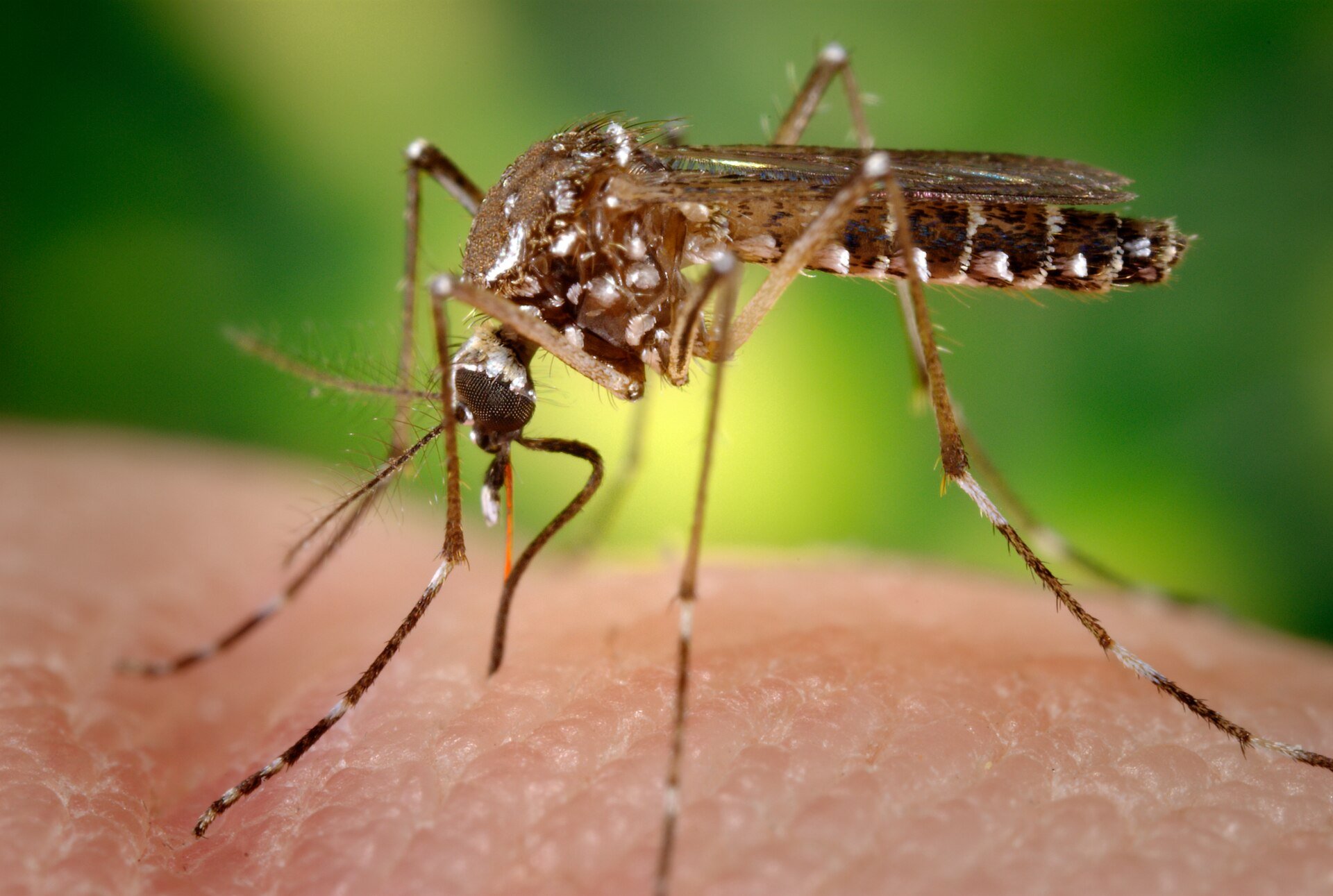
Dengue mainly spreads through the bite of an infected Aedes mosquito.
Sources
- Dengue fever cases surpass 400 across Tampa Bay (WTSP)
- Executive order extends to Oct. 29 (Hillsborough County)
- Pinellas County extends State of Local Emergency for dengue (Pinellas County)
- Symptoms of Dengue and Testing (CDC)
- Preventing Dengue (CDC)