
Table of Contents
By Sam | Updated November 10, 2026. A current, practical guide to low-waste living.
Earth Day comes once a year, but the trash can fills up every week. The most useful way to “make Earth Day stick” is to change a few everyday habits that cut waste without turning your life upside down. The U.S. Environmental Protection Agency puts it plainly: the most effective way to reduce waste is to not create it in the first place. Here is a realistic plan that starts small and builds.
Key takeaways
- Follow the EPA’s order of priorities: refuse, reduce, reuse, repair, then recycle.
- Food scraps and packaging are the easiest places to start at home.
- “Know before you throw”: recycling rules are local, and wrong items can contaminate a whole bin.
- Pick one habit per month instead of trying to go zero-waste overnight.
Start with the five R’s
The EPA’s waste guidance lists five steps, in order of impact:
- Refuse: say no to things you do not need, such as extra packaging, plastic cutlery and printed receipts.
- Reduce: buy only what you need, and borrow, rent or share items you rarely use, like tools or party decorations.
- Reuse: keep using bags, jars and containers.
- Repair: fix clothing, electronics and furniture before replacing them.
- Recycle: recycle metals, glass, paper and accepted plastics only after the first four steps.
Recycling is last for a reason. It still uses energy and only works for what your local program accepts. Everything above it avoids the waste entirely.
A 12-month plan that actually sticks
Habits last when they are small and specific. Try adding one change per month:
| Month | Habit |
|---|---|
| 1 | Keep reusable bags by the door or in the car. |
| 2 | Carry a refillable water bottle and coffee cup. |
| 3 | Plan meals and shop with a list to cut food waste. |
| 4 | Start composting food scraps, or find a local drop-off. |
| 5 | Switch to reusable rags, sponges and mops. |
| 6 | Move bills and statements to e-billing. |
| 7 | Learn your local recycling rules and post them on the fridge. |
| 8 | Repair one item you would normally replace. |
| 9 | Buy one category second-hand, such as clothes or furniture. |
| 10 | Buy staples you use often in bulk. |
| 11 | Opt out of unwanted junk mail and catalogs. |
| 12 | Hold a garage sale or donate items you no longer use. |
In the kitchen
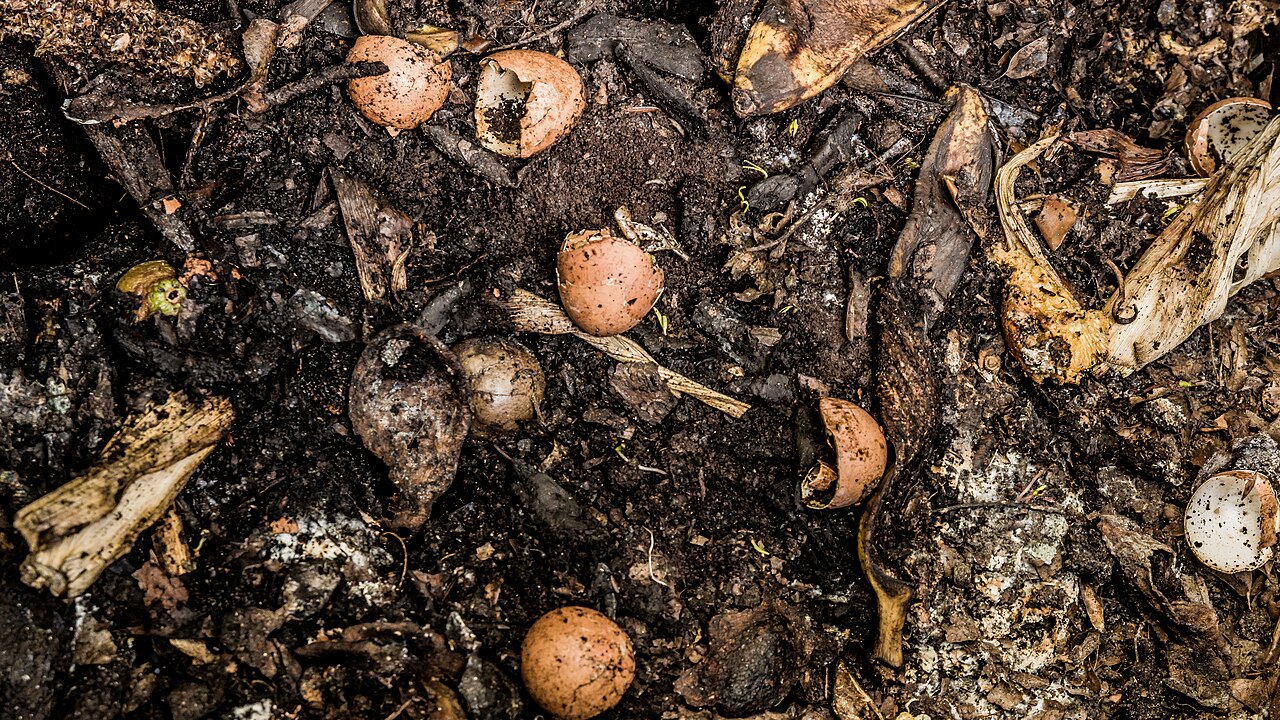
The kitchen is where most household waste starts. The EPA’s home tips recommend composting food scraps, yard trimmings and other organic waste. Compost added to soil improves water retention, reduces erosion and keeps organic material out of landfills. If you do not have a yard, many cities run food-scrap drop-off points or curbside collection.
Meal planning helps just as much. Buying only what you will cook means less food spoiling in the fridge. If you are rethinking what goes into your cart anyway, our guide to healthy everyday foods is a good place to start.
Around the house
- Cleaning: use reusable cloths and one general-purpose cleaner instead of many single-use products. Use only the amount the label recommends.
- Batteries: rechargeable batteries cut down on hazardous waste.
- Tools and equipment: share large garden or DIY equipment with neighbors instead of everyone buying their own.
- Hazardous items: take paints, cleaners and automotive fluids to local household hazardous waste collection days rather than the trash.
When you shop
Think before you buy. The EPA suggests buying used items when possible, choosing products made with recycled content, and avoiding heavily packaged goods. Clothing is a big one: textiles are a fast-growing part of U.S. waste, which is why slow fashion pairs so well with a low-waste routine. Read our explainer on slow fashion and how it saves money.
Recycle right
“Know before you throw” is the EPA’s phrase, and it matters. Recycling programs differ by city. Putting the wrong items in the bin, such as greasy food containers or plastic bags where they are not accepted, can contaminate a load. Check your city or county website for an accepted-items list and keep it somewhere visible.
Keep motivation going
Track one simple number, such as how many trash bags you put out each week. Seeing it fall is motivating. Involve the whole household, celebrate small wins, and do not aim for perfection. A family that cuts its waste by a third and keeps it there does more good than someone who tries zero-waste for a month and quits.
Low-waste on a budget
Going low-waste does not require buying special products. The cheapest options are usually the most effective: using what you already own, eating leftovers, borrowing instead of buying, and repairing instead of replacing. Jars from groceries make good storage containers, and old T-shirts make good cleaning rags.
FAQ
What is the easiest way to start a low-waste lifestyle?
Start by refusing things you do not need and carrying reusable bags and bottles. These take almost no effort and cut waste immediately.
Is recycling enough?
No. The EPA ranks recycling last among the five R’s because avoiding waste in the first place is more effective.
Can I compost in an apartment?
Often yes. Many cities offer food-scrap drop-off sites or curbside collection; check your local sanitation department.
Does going low-waste save money?
Usually. Buying less, wasting less food, and reusing items all reduce spending over time.
Sources: U.S. EPA, What You Can Do About Climate Change: Waste; U.S. EPA, Reduce, Reuse, Recycle: What You Can Do; U.S. EPA Recycle City.
Photo: Philip Cohen / Wikimedia Commons, CC BY 2.0 (https://creativecommons.org/licenses/by/2.0)
