
Table of Contents
Can Diet Help Fight Fungal Infections?
Yes, but indirectly and supportively.
Excess added sugar and highly refined carbohydrates can make blood sugar harder to control. That matters because high blood sugar is associated with a greater risk of fungal infections, especially in people with diabetes, and recurrent yeast infections are more common when diabetes is poorly controlled. CDC CDC CDC
Gut health may also play a role. Research suggests diet can influence the microbiome, and one review found that a high-carbohydrate dietary pattern was associated with higher gastrointestinal Candida burden in the short term. At the same time, probiotic and fermented foods may support microbiome diversity and immune signaling, though direct proof that they cure fungal skin infections is limited. PMC Harvard Nutrition Source Stanford Medicine
The current scientific bottom line is simple: there is reasonable support for a lower-sugar, high-fiber, whole-food dietary pattern that helps metabolic health and immune function, but no strong evidence that diet alone cures ringworm, athlete’s foot, jock itch, or recurrent candidiasis. Probiotics may be a useful adjunct in some recurrent vulvovaginal candidiasis cases, but standard antifungal treatment remains more effective for active infection. PMC CDC
Best Foods to Eat for Fungal Infections
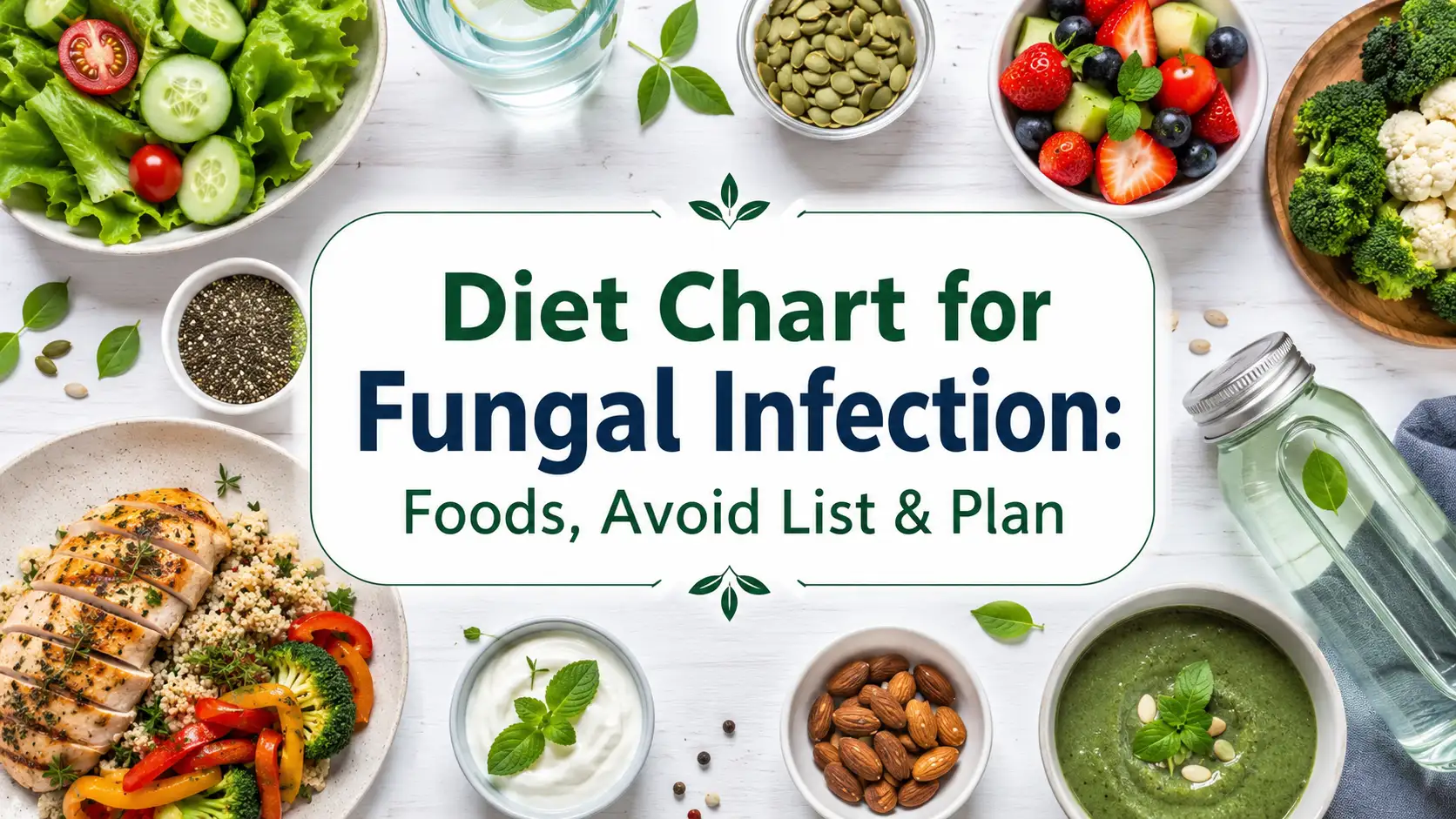
The best Foods to Eat for Fungal Infection are foods that are low in added sugar, rich in fiber, packed with micronutrients, and practical for long-term use.
| Food Category | Examples | Potential Benefits |
|---|---|---|
| Low-sugar fruits | Berries, guava, kiwi, apple, pear, orange, pomegranate | Provide vitamin C, fiber, antioxidants; easier on blood sugar than sweets or desserts |
| Non-starchy vegetables | Cucumber, bottle gourd, ridge gourd, cauliflower, cabbage, capsicum, tomato | Add volume, hydration, and fiber with low calorie load |
| Leafy greens | Spinach, methi, amaranth, mustard greens | Support overall nutrient intake, folate, carotenoids, and fiber |
| Garlic | Fresh garlic in dal, sabzi, chutneys | Adds flavor and bioactive sulfur compounds; useful in a whole-food anti-inflammatory diet |
| Ginger | Ginger tea, grated into curries, stir-fries | Supports digestion and adds anti-inflammatory plant compounds |
| Turmeric | Haldi in dal, soups, curries | Adds curcumin-containing spice compounds; useful as part of a balanced diet |
| Probiotic foods | Unsweetened yogurt, plain kefir | May support the microbiome; choose unsweetened versions |
| Fermented foods | Live-culture curd, some fresh fermented vegetables | May improve microbiome diversity when they contain live microbes |
| Lean proteins | Dal, chana, rajma, paneer, tofu, eggs, chicken, fish | Support tissue repair, fullness, and stable blood sugar |
| Omega-3 rich foods | Fatty fish, walnuts, chia seeds, flaxseed | Support healthy inflammatory balance |
| Nuts and seeds | Pumpkin seeds, almonds, walnuts, chia, flax | Add zinc, selenium, fiber, healthy fats, and protein |
| High-fiber foods | Oats, barley, millets, legumes, vegetables, whole fruit | Help regulate blood sugar and support gut health |
| Hydrating beverages | Water, plain buttermilk, unsweetened lemon water, green tea | Support hydration without excess sugar |
Why these foods matter: fiber helps regulate the body’s use of sugars and supports the gut microbiome; fermented foods may support microbiome diversity and immune function; vitamin C, vitamin D, zinc, selenium, and omega-3 fats all contribute to normal immune processes. Harvard Nutrition Source Harvard Nutrition Source NIH ODS Vitamin C NIH ODS Vitamin D NIH ODS Zinc NIH ODS Selenium NIH ODS Omega-3
Top 15 Foods That May Help Reduce Fungal Growth Naturally
1) Garlic
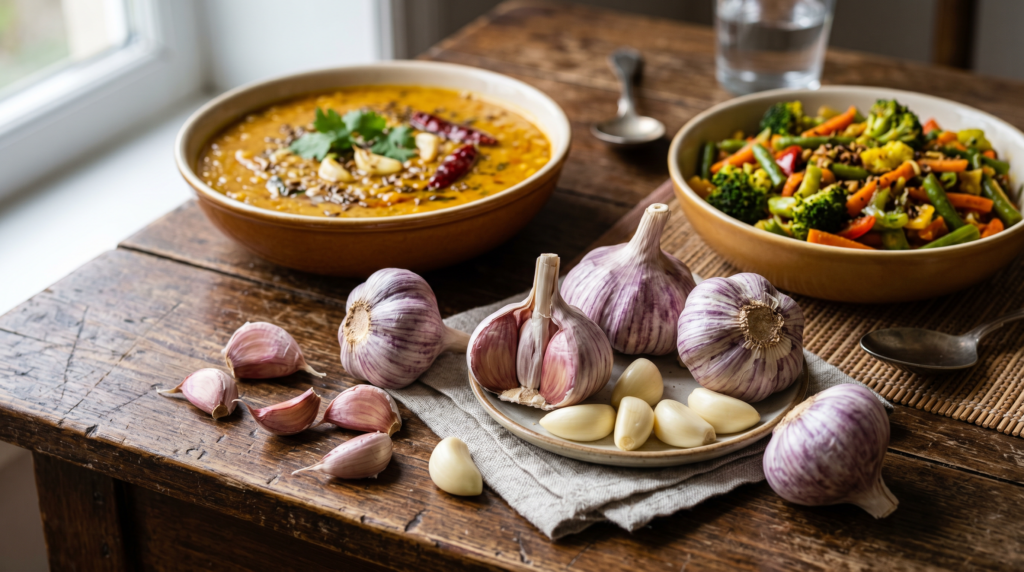
Garlic provides sulfur-containing compounds and is a flavorful way to reduce dependence on sugary sauces and ultra-processed foods. It is best viewed as a supportive food, not a standalone antifungal treatment.
Best ways to eat it: fresh in dal tadka, sautéed vegetables, chutneys, soups.
2) Ginger

Ginger adds plant compounds that fit well into an anti-inflammatory eating pattern and may help digestion.
Best ways to eat it: ginger tea without sugar, grated into sabzi, khichdi, soups.
3) Turmeric
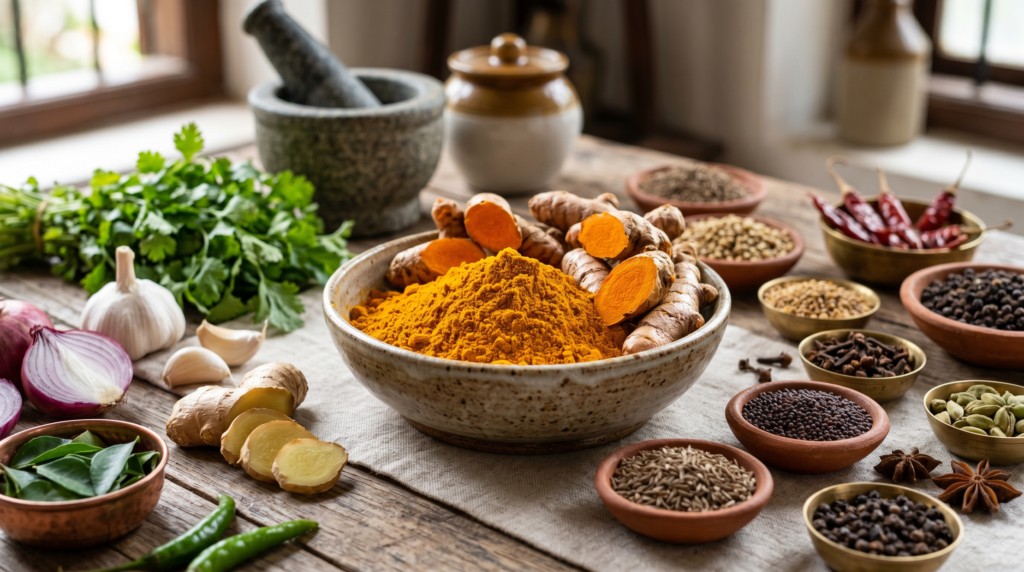
Turmeric is a practical everyday spice that supports a nutrient-dense Indian diet.
Best ways to eat it: dal, vegetable curries, fish marinades, warm milk alternatives without sugar.
4) Coconut
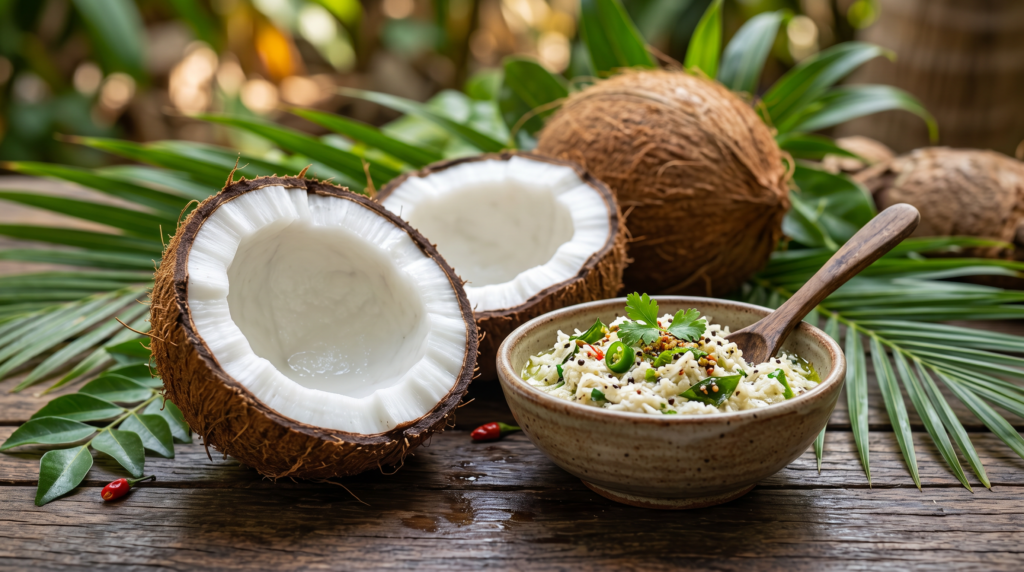
Fresh coconut and unsweetened coconut can fit into a fungal infection recovery diet when portions are sensible.
Best ways to eat it: coconut chutney without sugar, fresh coconut in vegetable dishes.
5) Yogurt
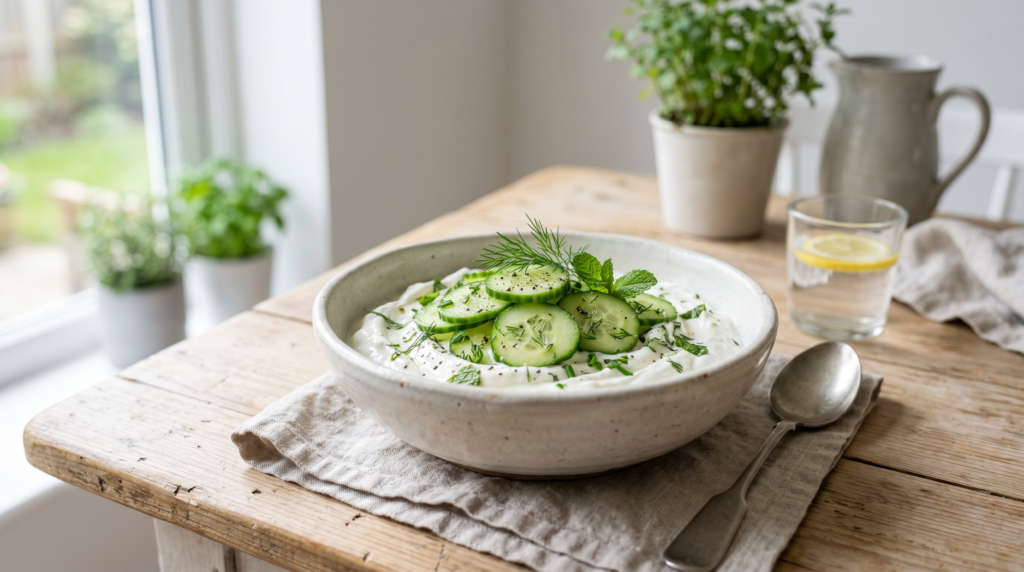
Plain unsweetened yogurt provides protein and may contain live cultures. Avoid sweetened flavored cups.
Best ways to eat it: plain curd, raita with cucumber, unsweetened chaas.
6) Kefir

Kefir is a fermented dairy drink that may support microbiome diversity when unsweetened.
Best ways to eat it: plain kefir as a snack or with breakfast.
7) Sauerkraut

Fermented vegetables may support the gut microbiome, but only some products contain live probiotics because pasteurization can kill them.
Best ways to eat it: small side portions with lunch or dinner. Harvard Nutrition Source
8) Spinach

Spinach is rich in vitamin C, folate, and fiber while being low in sugar and calories.
Best ways to eat it: palak dal, palak paneer, spinach omelet, sautéed palak.
9) Broccoli

Broccoli adds fiber, vitamin C, and bulk to meals without raising sugar intake.
Best ways to eat it: stir-fried, steamed, added to soups or mixed veg.
10) Pumpkin Seeds

Pumpkin seeds provide zinc, healthy fats, and protein. Zinc is important for immune function.
Best ways to eat it: roasted unsalted seeds as a snack, sprinkled on salads. NIH ODS Zinc
11) Walnuts

Walnuts provide plant omega-3 fats and work well as a snack that is more supportive than biscuits or sweets.
Best ways to eat it: 4 to 6 halves with fruit or added to oats. NIH ODS Omega-3
12) Chia Seeds

Chia seeds add soluble fiber and plant omega-3 fats that help with fullness and blood sugar control.
Best ways to eat it: stirred into unsweetened yogurt or overnight oats. Harvard Nutrition Source
13) Green Tea

Unsweetened green tea is a better beverage choice than sugary drinks and supports hydration.
Best ways to drink it: plain, without sugar or syrups.
14) Berries

Berries are among the best low-sugar fruit choices because they provide fiber and antioxidants.
Best ways to eat it: with curd, oats, or as a standalone snack.
15) Olive Oil

Olive oil supports a minimally processed eating style and can replace repeated deep-frying.
Best ways to use it: salad dressing, light sautéing, drizzling over vegetables.
Important reality check: these are best described as Natural Foods for Fungal Infection support, not cures. Their value lies in improving diet quality, blood sugar stability, and nutrient intake while medical treatment addresses the infection itself. CDC PMC
Foods to Avoid During a Fungal Infection
| Food / Category | Examples | Why It May Worsen Recovery |
|---|---|---|
| Refined sugar | Table sugar, sweet desserts | Can worsen blood sugar control and increase reliance on low-nutrient foods |
| Sugary drinks | Soda, packaged juice, sweet tea, energy drinks | Large sugar load with little fiber or satiety |
| Candy | Toffees, gummies, chocolates with added sugar | High sugar, low nutrition |
| Cakes | Cream cakes, sponge cakes | Refined flour + sugar + fat |
| Pastries | Puffs, donuts, sweet bakery items | Often combine sugar, refined flour, and trans fats |
| White bread | White bread, pav, burger buns | Low fiber, easier to overeat, less supportive for blood sugar control |
| Refined flour products | Noodles, maida biscuits, pizza base, naan made with refined flour | Lower fiber than whole-food alternatives |
| Excess alcohol | Beer, cocktails, heavy drinking | May impair sleep, hydration, and metabolic control |
| Ultra-processed foods | Chips, packaged namkeen, instant snacks | Low nutrient density, often high in sodium and poor-quality fats |
| Excessive fast food | Fried chicken, burgers, fries | Often calorie-dense, low fiber, high salt and unhealthy fats |
| Sweetened dairy products | Flavored yogurt, sweet lassi, ice cream | High added sugar; plain unsweetened versions are better |
The goal is not a fear-based “zero-carb” diet. The goal is to reduce added sugar, ultra-processed foods, and refined flour so your overall eating pattern supports stable blood sugar, healthy weight, and better nutrient intake. This matters especially if you have diabetes, obesity, or recurrent yeast infections. CDC CDC Harvard Nutrition Source
Complete 7-Day Fungal Infection Diet Plan
Below is a practical Fungal Infection Diet Plan with realistic Indian meals. Each meal slot includes vegetarian and non-vegetarian ideas.
| Day | Breakfast | Mid-Morning | Lunch | Snack | Dinner |
|---|---|---|---|---|---|
| Day 1 | Veg: Moong dal chilla + mint chutney / Non-veg: 2-egg omelet + spinach | Guava or apple | Veg: 2 jowar rotis + lauki chana sabzi + cucumber salad / Non-veg: same + grilled fish | Roasted chana + green tea | Veg: Palak paneer + salad / Non-veg: Palak chicken + sautéed veg |
| Day 2 | Veg: Vegetable oats upma / Non-veg: Egg bhurji + 1 small millet roti | Plain curd with chia | Veg: Brown rice + rajma + cabbage salad / Non-veg: Brown rice + chicken curry + salad | Pumpkin seeds + buttermilk | Veg: Mixed veg soup + tofu stir-fry / Non-veg: Fish soup + stir-fried vegetables |
| Day 3 | Veg: Besan cheela + tomato chutney / Non-veg: Besan cheela + boiled eggs | Pear or berries | Veg: Bajra roti + methi sabzi + dal / Non-veg: Bajra roti + methi sabzi + egg curry | Walnuts + unsweetened tea | Veg: Vegetable khichdi + curd / Non-veg: Chicken and dal khichdi + salad |
| Day 4 | Veg: Plain yogurt bowl with flax, cucumber, and herbs / Non-veg: Masala omelet + tomato | Coconut water or lemon water | Veg: Quinoa or millet pulao + paneer tikka / Non-veg: Quinoa pulao + grilled chicken | Sprouted moong chaat | Veg: Tori sabzi + dal + salad / Non-veg: Tori sabzi + fish curry |
| Day 5 | Veg: Poha with peanuts and vegetables / Non-veg: Poha + boiled eggs | Orange or kiwi | Veg: 2 chapatis + bhindi + masoor dal / Non-veg: 2 chapatis + bhindi + chicken stew | Plain kefir or curd | Veg: Cauliflower-peas sabzi + tofu / Non-veg: Cauliflower-peas + egg curry |
| Day 6 | Veg: Ragi dosa + sambar / Non-veg: Ragi dosa + egg side | Handful of berries | Veg: Barley khichdi + cucumber raita / Non-veg: Barley khichdi + grilled fish | Almonds + herbal tea | Veg: Paneer bhurji lettuce wrap / Non-veg: Chicken lettuce wrap + soup |
| Day 7 | Veg: Idli + sambar + coconut chutney / Non-veg: Idli + side omelet | Apple + pumpkin seeds | Veg: Millet roti + palak dal + salad / Non-veg: Millet roti + palak dal + chicken tikka | Roasted makhana | Veg: Lauki soup + mixed veg stir-fry / Non-veg: Lauki soup + baked fish |
How to use this meal plan: if you are vegetarian, keep protein adequate through dal, curd, paneer, tofu, soy, sprouts, beans, and seeds. If you eat meat, rotate eggs, chicken, and fish instead of relying on fried or processed meats. Prefer fruit over sweets, and keep added sugar close to zero during active infection. Harvard Nutrition Source NIH ODS Omega-3
One-Day Sample Diet Chart
| Time | Meal | Example |
|---|---|---|
| 6:30 am | Early morning | Warm water or unsweetened lemon water |
| 8:00 am | Breakfast | Moong chilla with paneer filling / omelet with spinach |
| 10:30 am | Mid-morning snack | 1 small guava or 1 bowl plain curd |
| 1:00 pm | Lunch | 2 millet rotis + dal + palak sabzi + cucumber salad |
| 4:30 pm | Evening snack | Roasted chana or pumpkin seeds + green tea |
| 7:30 pm | Dinner | Grilled fish or tofu + sautéed vegetables + small bowl soup |
| 9:30 pm | Before bed | Plain unsweetened buttermilk or water, if desired |
Vegetarian Diet Plan for Fungal Infection
A good vegetarian Anti-Fungal Diet should focus on protein quality and blood sugar stability. Build each meal around one protein source, one fiber source, and one non-starchy vegetable. The most useful staples are moong dal, masoor dal, chana, rajma, tofu, paneer, unsweetened curd, sprouts, millets, oats, nuts, seeds, and lots of cooked and raw vegetables. Avoid depending on bread, biscuits, sweet tea, and potato-heavy meals. Harvard Nutrition Source Harvard Nutrition Source
A simple vegetarian pattern looks like this: dal or paneer at lunch, tofu or curd at dinner, a seed or nut snack once daily, and 2 low-sugar fruit servings. If recurrent infections are a problem, be more disciplined about sweetened yogurt, sugary chai, bakery foods, and late-night desserts.
Non-Vegetarian Diet Plan for Fungal Infection
For non-vegetarians, the best approach is to use eggs, chicken, and fish as clean protein anchors rather than processed meats. Fish adds omega-3 fats; eggs are practical for breakfast; chicken works well in lunch or dinner without heavy creamy gravies. Pair protein with vegetables and millet or brown rice instead of deep-fried sides and sugary beverages. NIH ODS Omega-3
A practical non-veg pattern: eggs 3 to 5 times per week, fish 2 to 3 times per week, chicken 2 to 3 times per week, dal daily, salad daily, and fruit in controlled portions. If fungal infections are recurring, especially with diabetes, reducing alcohol and sweetened drinks becomes just as important as choosing the right protein. CDC
Best Vitamins and Nutrients for Faster Recovery
| Nutrient | Why It Matters | Best Food Sources |
|---|---|---|
| Vitamin C | Supports immune function and antioxidant defense | Guava, citrus, kiwi, berries, peppers, broccoli |
| Vitamin D | Supports immune modulation and inflammation balance | Fatty fish, egg yolk, fortified foods |
| Zinc | Important for immune function and wound healing | Pumpkin seeds, legumes, eggs, seafood, meat |
| Selenium | Supports antioxidant systems and protection from infection | Eggs, seafood, poultry, grains, nuts |
| Omega-3 fatty acids | Support healthy inflammatory signaling | Salmon, sardines, mackerel, walnuts, chia, flax |
| Probiotics | May support microbiome balance; evidence is condition-specific | Unsweetened yogurt, kefir, some live fermented foods |
| Fiber | Helps regulate sugar use, fullness, and gut health | Oats, legumes, millets, vegetables, nuts, seeds, whole fruit |
Vitamin C, vitamin D, zinc, selenium, and omega-3 fats all contribute to normal immune processes, while fiber and probiotic-containing foods may support gut health and healthier dietary patterns. The most evidence-based approach is to get these nutrients from food first unless a deficiency has been identified. NIH ODS Vitamin C NIH ODS Vitamin D NIH ODS Zinc NIH ODS Selenium NIH ODS Omega-3 Harvard Nutrition Source
Lifestyle Tips That Support Recovery
Keep skin clean and dry
Fungi thrive in warm, moist areas. Dry the skin well after bathing, especially between toes, under breasts, in the groin, and in skin folds. CDC NHS MedlinePlus
Change sweaty clothing quickly
Do not stay in wet socks, gym wear, leggings, or underwear after exercise. Change daily and more often if sweating is heavy. CDC NHS
Choose breathable clothing
Loose cotton underwear, moisture-wicking socks, and shoes that do not trap heat can reduce recurrence risk, especially for athlete’s foot and jock itch. NHS
Do not share personal items
Avoid sharing towels, socks, shoes, sports gear, and bedsheets during active infection. CDC
Exercise, but smartly
Regular movement helps weight management and insulin sensitivity, but shower promptly and dry the skin afterward. If you have athlete’s foot, wear footwear in shared showers and locker rooms. CDC NHS
Sleep and stress management
Poor sleep and chronic stress do not directly “cause fungus,” but they can undermine healthy habits, immunity, and blood sugar control.
Hydration
Aim for regular fluid intake, mostly from water and unsweetened beverages, especially in hot climates or if sweating heavily.
Weight management
Candida in skin folds is more common in moist creased areas and in people with obesity. Even modest weight loss can reduce friction and trapped moisture. MedlinePlus
Manage diabetes carefully
If you have diabetes, blood sugar control is one of the most important recurrence-prevention steps. CDC
Avoid steroid self-treatment for an undiagnosed rash
Steroid creams can make ringworm worse and change how it looks, which delays correct treatment. CDC
Common Mistakes People Make
- Assuming diet alone can cure a fungal infection.
- Using steroid creams on a rash that could be ringworm.
- Stopping antifungal treatment too early when itching improves.
- Continuing sugary drinks “because it’s only liquid calories.”
- Wearing tight, sweaty clothes for hours after exercise.
- Reusing damp socks or the same shoes every day.
- Sharing towels, footwear, or gym gear.
- Eating very little protein while trying to “detox.”
- Confusing all fermented foods with probiotic foods.
- Choosing flavored yogurt instead of plain unsweetened yogurt.
- Ignoring diabetes or prediabetes as a recurrence driver.
- Not seeking medical care for scalp, nail, widespread, or recurrent infections. CDC CDC Harvard Nutrition Source
Frequently Asked Questions
Can sugar make fungal infections worse?
It can make recovery harder indirectly, especially by worsening blood sugar control. High blood sugar is linked with more fungal infections in people with diabetes, and recurrent vaginal yeast infections are more common in some people with diabetes. CDC CDC
Is yogurt good for fungal infections?
Plain unsweetened yogurt can be a helpful food because it provides protein and may contain live cultures. Sweetened yogurt is much less helpful because of the added sugar. Harvard Nutrition Source
Are bananas okay to eat?
Usually yes in moderate portions, especially if the rest of your diet is balanced. But if you have poorly controlled diabetes or frequent yeast infections, lower-sugar fruits like berries, guava, kiwi, apple, or pear may be better first choices.
Can probiotics help?
They may help as an adjunct in some recurrent vulvovaginal candidiasis cases, but evidence is mixed and probiotics are not a replacement for antifungal treatment. PMC Harvard Nutrition Source
Is coffee allowed?
Yes, plain coffee without sugar-loaded syrups or creamers is usually fine. The bigger issue is what you add to it.
What foods feed fungus?
No ordinary food “feeds fungus” in a simple direct way on the skin, but diets high in added sugar and refined carbohydrates can worsen overall metabolic health and blood sugar control, which may increase infection risk in susceptible people. CDC
How much water should I drink?
Many adults do well with roughly 2 to 3 liters of fluid daily, adjusted for heat, exercise, kidney disease, pregnancy, or medical advice. Water and unsweetened beverages are best.
Can diet alone cure fungal infections?
No. Diet supports recovery; it does not replace medical care, testing, or antifungal treatment. CDC
Is curd better than sweet lassi?
Yes. Plain curd or unsweetened buttermilk is far better than sugar-heavy lassi.
Should I avoid all fruit?
No. Choose whole fruit in moderate portions, especially low-sugar options. Avoid fruit juices and sugary smoothies.
Is rice allowed in a fungal infection diet?
Yes, especially in moderate portions and balanced with dal, vegetables, and protein. Brown rice or smaller portions of white rice work better than oversized rice-only meals.
Can I eat bread?
If possible, limit white bread and choose higher-fiber options more often. Bread should not replace protein and vegetables.
Does garlic cure ringworm?
Garlic can be part of a healthy diet, but it is not a proven cure for ringworm. Use proper antifungal treatment. CDC
Are fungal infections more common in diabetes?
Yes. High blood sugar increases the risk of fungal infections, especially in warm, moist skin folds and recurrent yeast infections. CDC
When should I see a doctor?
If the rash is spreading, painful, recurrent, on the scalp or nails, not improving with treatment, or if you have diabetes or a weakened immune system, seek medical care promptly. CDC NHS
Expert Summary
The best Diet Chart for Fungal Infection is not an extreme starvation plan for fungus. It is a practical recovery diet built around low added sugar, high fiber, enough protein, unsweetened probiotic foods, non-starchy vegetables, and better blood sugar control. This helps the body recover, lowers recurrence risk, and supports immune function. Harvard Nutrition Source NIH ODS Vitamin C
The most useful practical steps are these: cut sugary drinks and desserts, eat protein at every main meal, choose whole fruits over juices, use plain curd instead of sweetened dairy, keep skin folds dry, change sweaty clothing quickly, and take diabetes control seriously if applicable. For ringworm, athlete’s foot, jock itch, candidiasis, scalp infections, or fungal nails, use appropriate antifungal treatment and get tested when needed. CDC CDC CDC
FAQ Schema-Ready Questions and Answers
Use these concise Q&A pairs in your FAQ markup:
- Question: Can sugar make fungal infections worse?
Answer: Excess added sugar can worsen blood sugar control, and high blood sugar is linked to a higher risk of fungal infections, especially in people with diabetes. - Question: Is yogurt good for fungal infections?
Answer: Plain unsweetened yogurt can be helpful because it provides protein and may contain live cultures, but it does not replace antifungal treatment. - Question: Are bananas okay to eat during a fungal infection?
Answer: Bananas are usually okay in moderation, but lower-sugar fruits such as berries, guava, kiwi, apple, and pear may be better choices for some people. - Question: Can probiotics help with fungal infections?
Answer: Probiotics may help as an adjunct in some recurrent yeast infection cases, but evidence is mixed and they are not a cure. - Question: Is coffee allowed on an anti-fungal diet?
Answer: Plain coffee is usually allowed, but sugary syrups and sweet creamers should be avoided. - Question: What foods should I avoid during a fungal infection?
Answer: Limit refined sugar, sugary drinks, candy, cakes, pastries, white bread, refined flour products, excess alcohol, ultra-processed foods, and sweetened dairy products. - Question: What foods should I eat for a fungal infection?
Answer: Focus on low-sugar fruits, non-starchy vegetables, leafy greens, garlic, ginger, turmeric, plain yogurt, kefir, lean proteins, nuts, seeds, high-fiber foods, and water. - Question: Can diet alone cure fungal infections?
Answer: No. Diet supports recovery, but it does not replace diagnosis, antifungal medicine, or medical care when needed. - Question: How much water should I drink during a fungal infection?
Answer: Many adults do well with about 2 to 3 liters of fluid daily, depending on climate, activity, and medical conditions. - Question: Are fungal infections more common in diabetes?
Answer: Yes. High blood sugar increases the risk of fungal infections and recurrence. - Question: Is rice allowed in a fungal infection diet plan?
Answer: Yes. Rice can be included in moderate portions, especially when paired with dal, vegetables, and protein. - Question: When should I see a doctor for a fungal infection?
Answer: Seek medical care if the infection is recurrent, widespread, painful, involves the scalp or nails, or is not improving with treatment.
