
Table of Contents
By Sam | Updated November 10, 2026. General fitness information, not medical advice. Talk to a clinician before starting a new program if you have a health condition or injury.
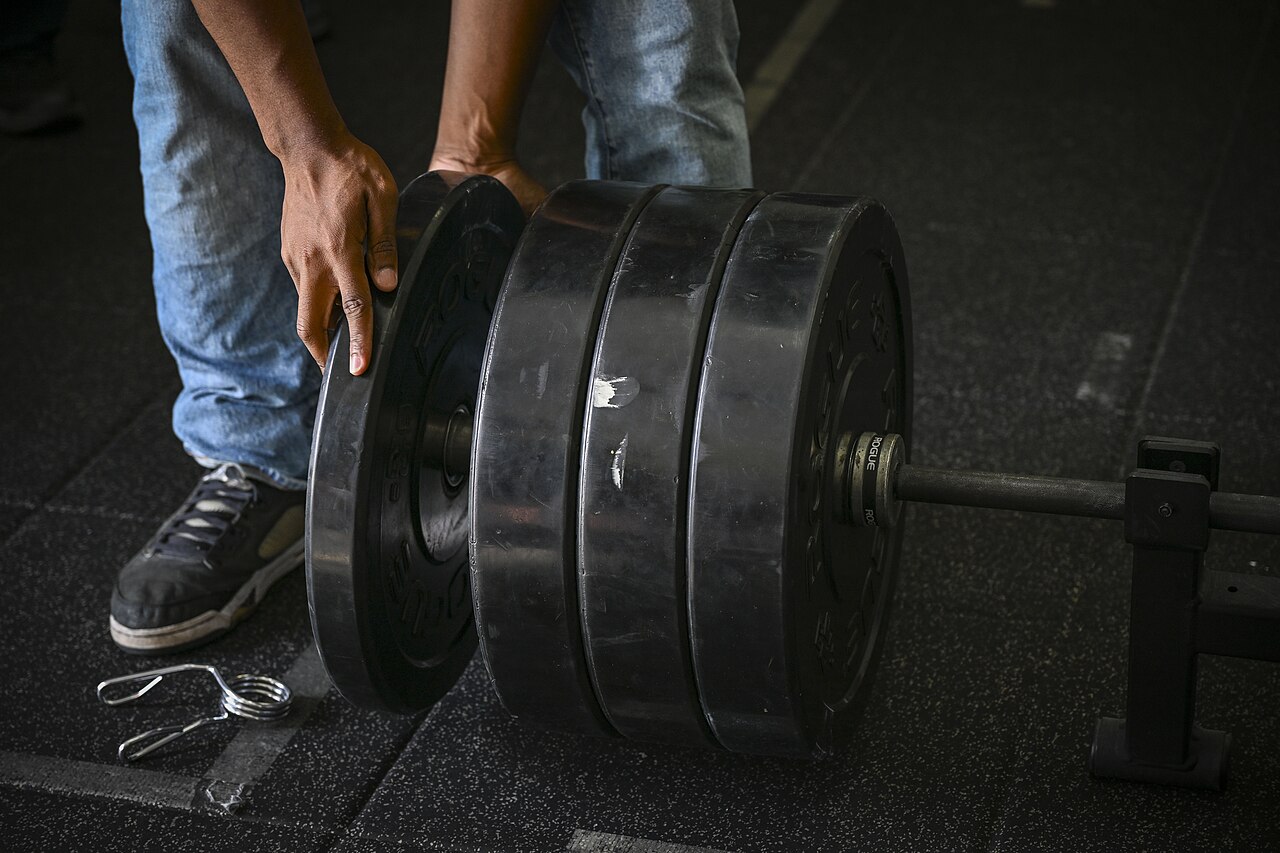
Barbell squats, deadlifts and bench presses are often called “must-do” exercises. They are excellent tools, but the truth is simpler: your body needs regular muscle-strengthening work, and a barbell is only one way to get it. U.S. health guidelines do not require any specific lift. They require effort, consistency and working all your major muscle groups. Here is what the guidelines say, when barbells make sense, and good alternatives if they do not suit you.
Key takeaways
- The CDC says adults need muscle-strengthening activity on at least 2 days a week, working legs, hips, back, abdomen, chest, shoulders and arms.
- Adults also need 150 minutes of moderate aerobic activity a week, or 75 minutes of vigorous activity.
- Weights, resistance bands and body-weight exercises such as push-ups all count.
- Barbells are efficient for progressive overload, but technique, recovery and gradual progress matter more than the tool.
What the guidelines actually require
The CDC’s adult activity overview, based on the Physical Activity Guidelines for Americans, recommends:
- Aerobic activity: at least 150 minutes a week of moderate intensity (such as brisk walking), or 75 minutes of vigorous intensity (such as running), or a mix.
- Muscle strengthening: at least 2 days a week, at moderate or greater intensity, covering all major muscle groups.
The guidelines also stress that some activity is better than none and that you can break activity into smaller chunks across the week. Nowhere do they say you must use a barbell.
Why barbell lifts are popular
- Easy to progress. Small plates let you add load in small steps, which supports steady strength gains.
- Efficient. Compound lifts like squats and deadlifts work several large muscle groups at once.
- Measurable. It is easy to track the weight, sets and reps you do each week.
Why they are not right for everyone
- Learning curve. Heavy barbell lifts need good technique. Poor form plus heavy loads raises injury risk.
- Mobility limits. Some people cannot comfortably reach the positions a back squat or overhead press requires, at least at first.
- Access and confidence. Many people train at home or feel uneasy in the free-weights area. If that stops you training, it is the wrong plan for you.
- Existing conditions. People with joint problems, back pain, high blood pressure or recent surgery should get personalized advice first.
Alternatives that count just as much
| Muscle group | Barbell option | Alternatives |
|---|---|---|
| Legs and hips | Back squat, deadlift | Goblet squat with a dumbbell, step-ups, lunges, leg press |
| Chest and arms | Bench press | Push-ups, dumbbell press, resistance-band press |
| Back | Barbell row | Dumbbell row, band pull-aparts, lat pulldown |
| Shoulders | Overhead press | Dumbbell press, band press |
| Core | Heavy carries, deadlifts | Planks, side planks, dead bugs, farmer’s carries |
The CDC lists lifting weights, working with resistance bands, and body-weight exercises like push-ups as muscle-strengthening activity. Heavy gardening such as digging can count too.
A simple twice-a-week plan
For a beginner, two full-body sessions a week is enough to meet the guideline:
- Squat pattern (goblet squat or barbell squat): 2–3 sets
- Push (push-ups or a press): 2–3 sets
- Hinge (hip hinge, Romanian deadlift or glute bridge): 2–3 sets
- Pull (row or band pull): 2–3 sets
- Core (plank or carry): 2–3 rounds
Choose a load where the last few reps of each set feel hard but your form stays clean. Add weight or reps gradually over weeks. Rest at least a day between sessions for the same muscles.
Fitness trackers and smartwatches
Watches are good at counting steps and estimating heart rate during cardio, but they are less useful for judging strength training. A simple notebook or app log of exercises, weights and reps is usually the better progress tracker for lifting.
Nutrition supports training too. See our guides to foods that support fat loss and foods that may help with back pain and inflammation.
How to know you are progressing
Progress in strength training is usually easy to see if you keep a log. Signs that your program is working include being able to do more reps at the same weight, lifting slightly heavier loads with the same good form, and everyday tasks such as carrying groceries or climbing stairs feeling easier.
If progress stalls for several weeks, check the basics before changing exercises: Are you training at least twice a week? Are the last reps of each set genuinely challenging? Are you sleeping and eating enough to recover? Small, steady increases beat big jumps that lead to sore joints or missed sessions. And remember the CDC’s message that some activity is better than none: if two full sessions are not possible, shorter sessions still count.
Older adults benefit from strength work too. The Physical Activity Guidelines for Americans recommend that older adults also include balance training alongside aerobic and muscle-strengthening activity, adjusting effort to their fitness level.
FAQ
Do I need barbell exercises to get strong?
No. Any challenging resistance that works all major muscle groups at least twice a week meets U.S. guidelines.
How often should adults strength train?
The CDC recommends at least 2 days a week of muscle-strengthening activity.
Are bodyweight exercises enough?
They can be, especially for beginners, as long as the exercises are challenging and you progress over time.
Are barbell lifts dangerous?
They are generally safe with good technique and gradual progression. Get coaching if you are new, and ask a clinician first if you have an injury or condition.
Sources: CDC, Adult Activity: An Overview; CDC, What Counts as Physical Activity for Adults; Physical Activity Guidelines for Americans, 2nd edition.
Photo: U.S. Air Force photo by Senior Airman Haiden Morris / Wikimedia Commons, Public domain