
Table of Contents
Last updated: October 24, 2026
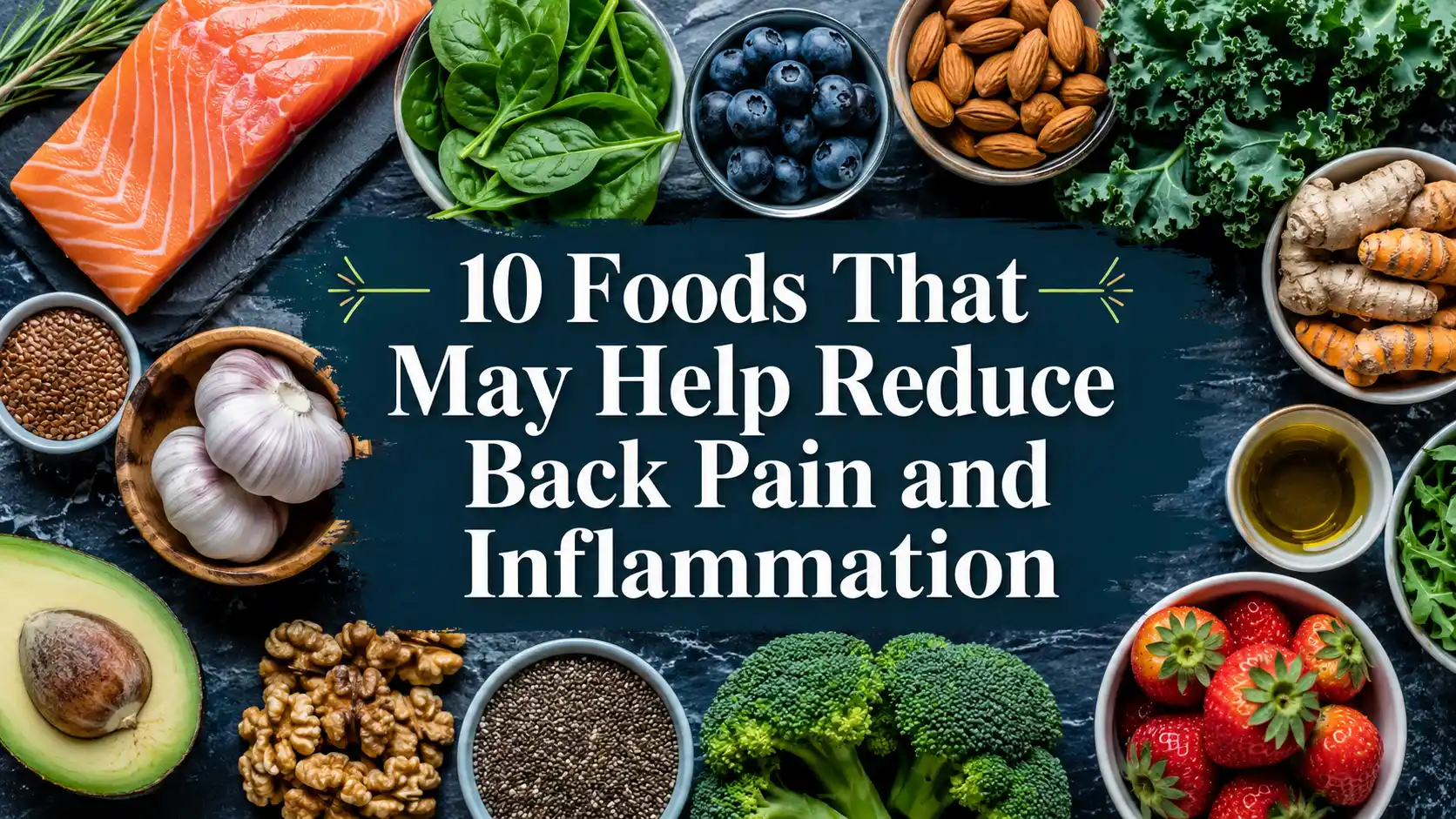
No single food will fix back pain, but the right foods for back pain and inflammation can play a supporting role. An anti-inflammatory eating pattern built on fatty fish, colorful produce, olive oil, nuts, legumes, and whole grains can support overall health and help you keep a healthy weight, which takes strain off your spine. Below are 10 foods that may help reduce back pain and inflammation, what the research actually says about each, and the movement and lifestyle habits that make the biggest difference.
This article is for general information and is not medical advice. Back pain with numbness, weakness, loss of bladder or bowel control, fever, or a history of cancer or major trauma needs urgent medical care. Ask your doctor before starting supplements, especially if you take blood thinners.
How diet relates to back pain
Most low back pain is “nonspecific,” meaning there’s no single clear structural cause, and most cases improve within weeks. Long-term (chronic) inflammation, extra body weight, and inactivity are linked to persistent pain. Harvard Health notes that the foods that tend to lower inflammation, such as fruits, vegetables, fatty fish, nuts, and olive oil, are the same ones linked to lower risk of heart disease and diabetes. Diet is a supporting player, not a substitute for exercise, physical therapy, or medical care.
10 foods that may help reduce back pain and inflammation
1. Fatty fish
Salmon, sardines, mackerel, trout, and herring are rich in omega-3 fatty acids (EPA and DHA), which help regulate inflammation. The NIH Office of Dietary Supplements notes that omega-3s may slightly ease joint pain in rheumatoid arthritis, while evidence for other types of pain is less clear. Aim for two servings of seafood a week.
2. Extra-virgin olive oil
A staple of the Mediterranean diet, extra-virgin olive oil contains polyphenols, including oleocanthal, which has mild anti-inflammatory activity in lab studies. Use it in place of butter and other saturated fats.
3. Leafy greens
Spinach, kale, collards, and Swiss chard provide magnesium, vitamin K, and antioxidants. Magnesium plays a role in muscle and nerve function, according to the NIH.
4. Berries and cherries
Blueberries, strawberries, and tart cherries are packed with anthocyanins, plant pigments with antioxidant and anti-inflammatory effects. Some small studies link tart cherry juice to less muscle soreness after exercise.
5. Nuts and seeds
Walnuts, almonds, chia, flax, and pumpkin seeds provide healthy fats, fiber, and magnesium. Walnuts and flax also contain ALA, a plant omega-3.
6. Turmeric
Curcumin, the active compound in turmeric, has been studied for osteoarthritis pain with modest, mixed results. Cooking with turmeric (along with black pepper, which improves absorption) is low-risk. High-dose supplements can interact with medications and have been linked to rare liver injury, so check with your doctor first.
7. Ginger
Ginger has some evidence for easing muscle and joint pain. Add fresh ginger to stir-fries, soups, or tea.
8. Beans and lentils
Legumes are high in fiber and plant protein. Diets high in fiber are linked to lower levels of C-reactive protein (CRP), a marker of inflammation.
9. Whole grains
Oats, brown rice, quinoa, and barley keep blood sugar steadier than refined grains. The 2025–2030 Dietary Guidelines for Americans, released in January 2026, recommend whole grains over refined carbohydrates, as reported by Reuters.
10. Foods with vitamin D and calcium
Fatty fish, eggs, fortified milk or plant milks, yogurt, and canned salmon with bones support bone health. Low vitamin D is common and is linked to weaker bones. The NIH explains how much you need and from which foods. Your doctor can check your level if needed.
Foods to limit
- Sugary drinks and sweets: high added-sugar intake is linked to inflammation and weight gain.
- Refined carbs: white bread, pastries, and many packaged snacks.
- Processed and red meats: bacon, hot dogs, and deli meats are linked to higher inflammatory markers.
- Fried foods and excess alcohol.
A sample anti-inflammatory day
- Breakfast: oatmeal with walnuts, ground flax, and blueberries.
- Lunch: spinach salad with chickpeas, olive oil, lemon, and grilled salmon or tofu.
- Snack: plain Greek yogurt with tart cherries, or a handful of almonds.
- Dinner: lentil and vegetable curry with turmeric and ginger over brown rice.
What helps back pain most (beyond food)
The strongest evidence for common low back pain is for staying active and using non-drug treatments. The American College of Physicians’ clinical guideline recommends first trying approaches such as heat, exercise, physical therapy, massage, acupuncture, yoga, tai chi, and spinal manipulation. The NIH’s National Center for Complementary and Integrative Health also reviews these options.
- Keep moving: gentle walking usually beats bed rest.
- Strengthen your core and hips with a physical therapist’s guidance.
- Manage your weight to reduce load on your spine.
- Sleep well and manage stress, both of which affect how you feel pain.
- Check your setup: adjust your workstation and take movement breaks.
When to see a doctor
See a clinician if pain lasts more than a few weeks, is severe, spreads down a leg, or wakes you at night. Get emergency care for back pain with loss of bladder or bowel control, numbness in the groin area, sudden leg weakness, or fever.
FAQ
Can an anti-inflammatory diet cure back pain?
No. It may support overall health and weight management, which can help, but exercise and physical therapy have stronger evidence for relieving back pain.
Which drink is good for back pain and inflammation?
Water is the basic choice, since staying hydrated supports your spinal discs and muscles. Green tea, ginger tea, and small amounts of tart cherry juice are reasonable additions.
Should I take fish oil or turmeric supplements for back pain?
Evidence for back pain specifically is limited. Both can interact with medications, so talk with your doctor before starting either.
How long does it take for diet changes to help?
Markers of inflammation can shift over several weeks to months. Combine diet changes with regular movement for the best chance of improvement.